

Peças para Britador HSI
Peças para Britador HSI | Barras de Impacto e Desgaste | ATF
Peças para britadores HSI: barras de impacto, placas de impacto, revestimentos laterais, rotores e fixações. Opções martensíticas, ferro fundido cromo e MMC.
Complete Wear Part Solutions for Horizontal Shaft Impact Crushers
Horizontal Shaft Impact (HSI) crushers reduce material through high-velocity impact rather than compression. A horizontal rotor spinning at 25–40 m/s tip speed carries mounted blow bars that strike incoming feed, projecting fragments against stationary apron plates for secondary size reduction. This impact-based mechanism produces excellent product shape with high reduction ratios — making HSI crushers the standard for limestone, concrete recycling and aggregate production.
Every wear component in an HSI crusher — from the blow bars that deliver the primary impact to the fixation bolts that secure them — works as part of an integrated system. Wear life, product quality and operating safety depend on correct material selection, proper installation torque and disciplined maintenance schedules. ATF engineers and manufactures the complete range of HSI wear parts and spare components to OEM specifications, with material options optimised for your specific feed conditions.
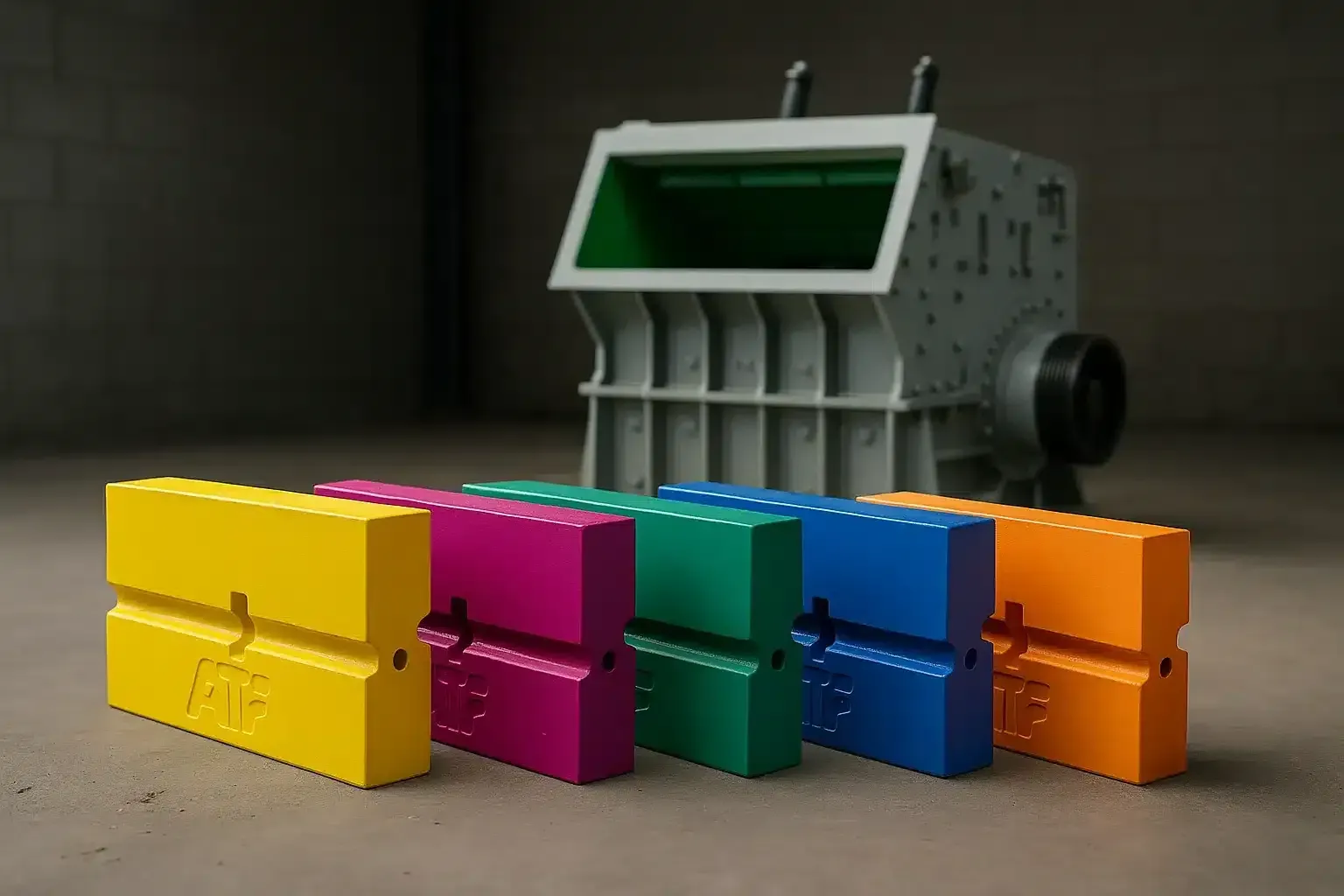
ATF blow bars ready for dispatch — the primary wear part in every HSI crusher. Available in 9 alloy configurations matched to specific feed conditions.
HSI Crushing Mechanism
Understanding how each component contributes to the crushing process helps explain why material selection and maintenance practices directly affect wear life, product quality and operating cost.
Primary Impact
Feed material enters through the top of the crusher and falls into the path of the spinning rotor. Blow bars mounted on the rotor strike the material at 25–40 m/s tip speed, fracturing it through instantaneous energy transfer. This first impact provides the majority of size reduction — typically achieving 10:1 to 20:1 reduction ratios.
Secondary Reduction
Fragments launched from the rotor collide with the primary apron (impact plate) at high velocity. The adjustable apron gap controls how much secondary crushing occurs — a tighter gap produces finer product but increases wear. Material that doesn't pass the gap is deflected back toward the rotor for additional impacts.
Product Discharge
Properly sized material passes through the gap between the rotor and the secondary apron, falling to the discharge conveyor. Some HSI designs include a third apron stage for additional refinement. The cascading impact cycle produces cubical product shape — a key advantage over compression crushers for aggregate specification compliance.
HSI Crusher Wear Parts & Spare Components
Every HSI crusher requires six categories of wear and structural parts. Each component page provides detailed material options, OEM compatibility tables and application-specific guidance.
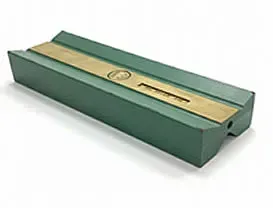
Blow Bars
The primary wear element. Rotor-mounted bars that strike incoming feed material at tip speeds of 25–40 m/s. Available in manganese, martensitic, high-chrome and ceramic composite alloys. Material selection determines wear life, impact tolerance and cost per ton crushed.
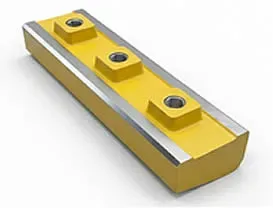
Impact Plates & Aprons
Stationary crushing surfaces (primary and secondary aprons) that receive material deflected from the rotor. Apron gap setting controls product gradation. Wear concentrates at the material impact zone — typically the lower third of the primary apron.
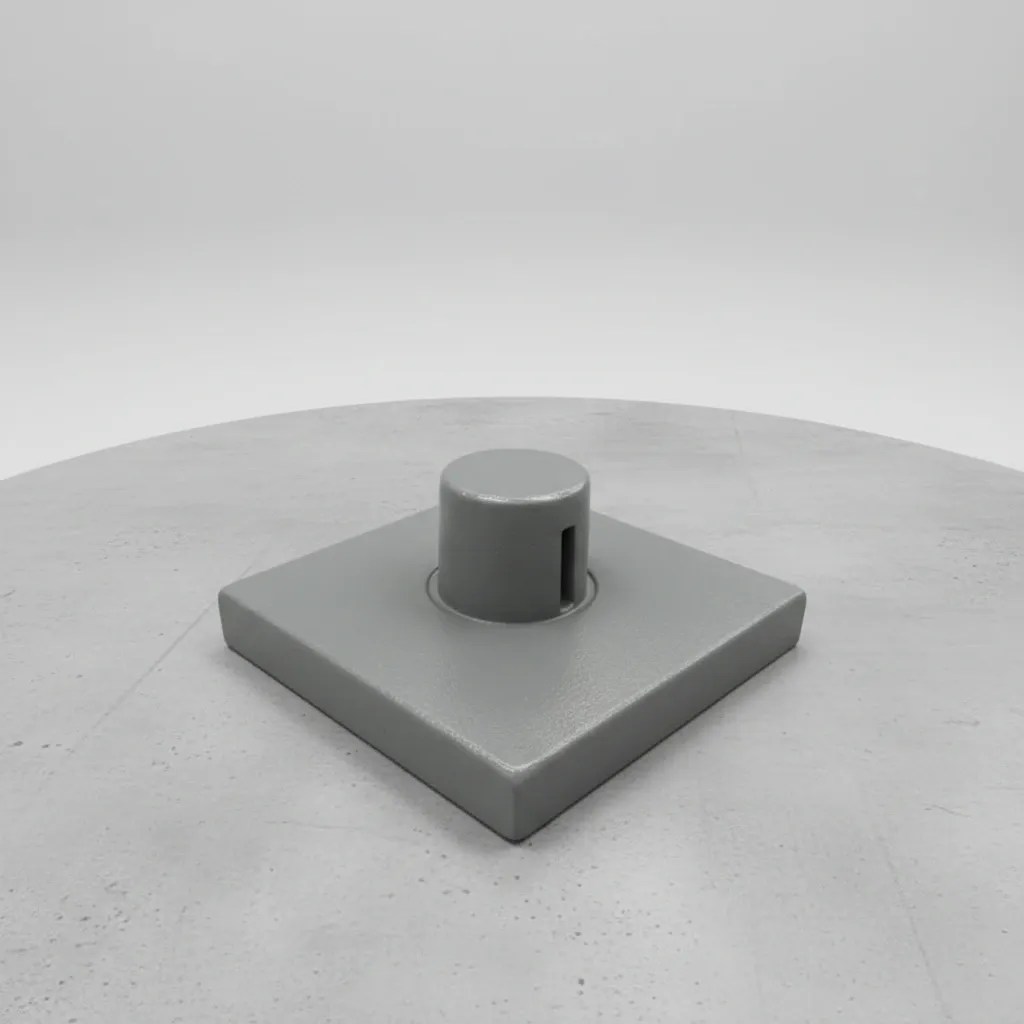
Side Liners
Protect the crusher housing side walls from abrasive material flow. Side liners absorb redirected material that escapes the primary crushing zone. Neglected side liners expose the cast housing to irreversible wear damage.
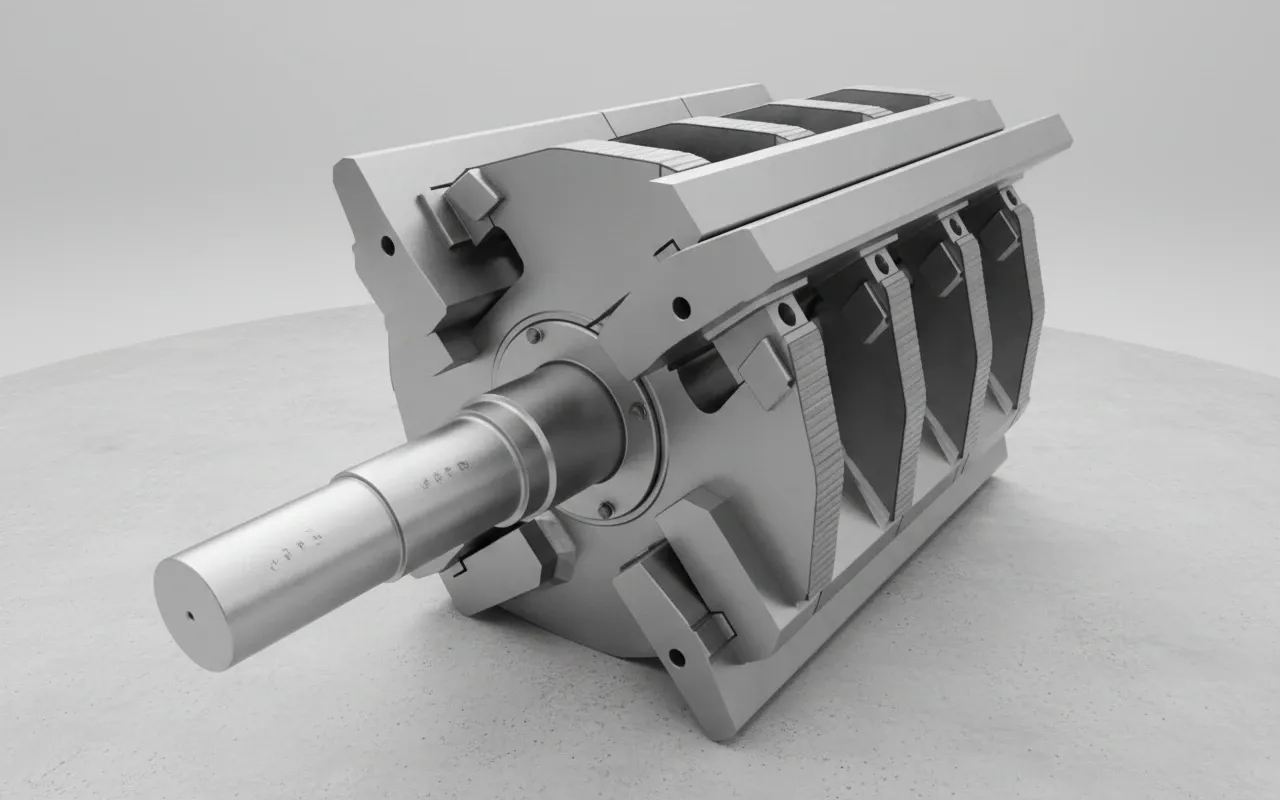
Rotors & Assemblies
The central rotating assembly that carries blow bars at high speed. Rotor balance is critical — a 1% weight imbalance between opposing bars generates destructive vibration that damages bearings, seals and the crusher frame. Worn or cracked rotors compromise bar seating and operator safety.
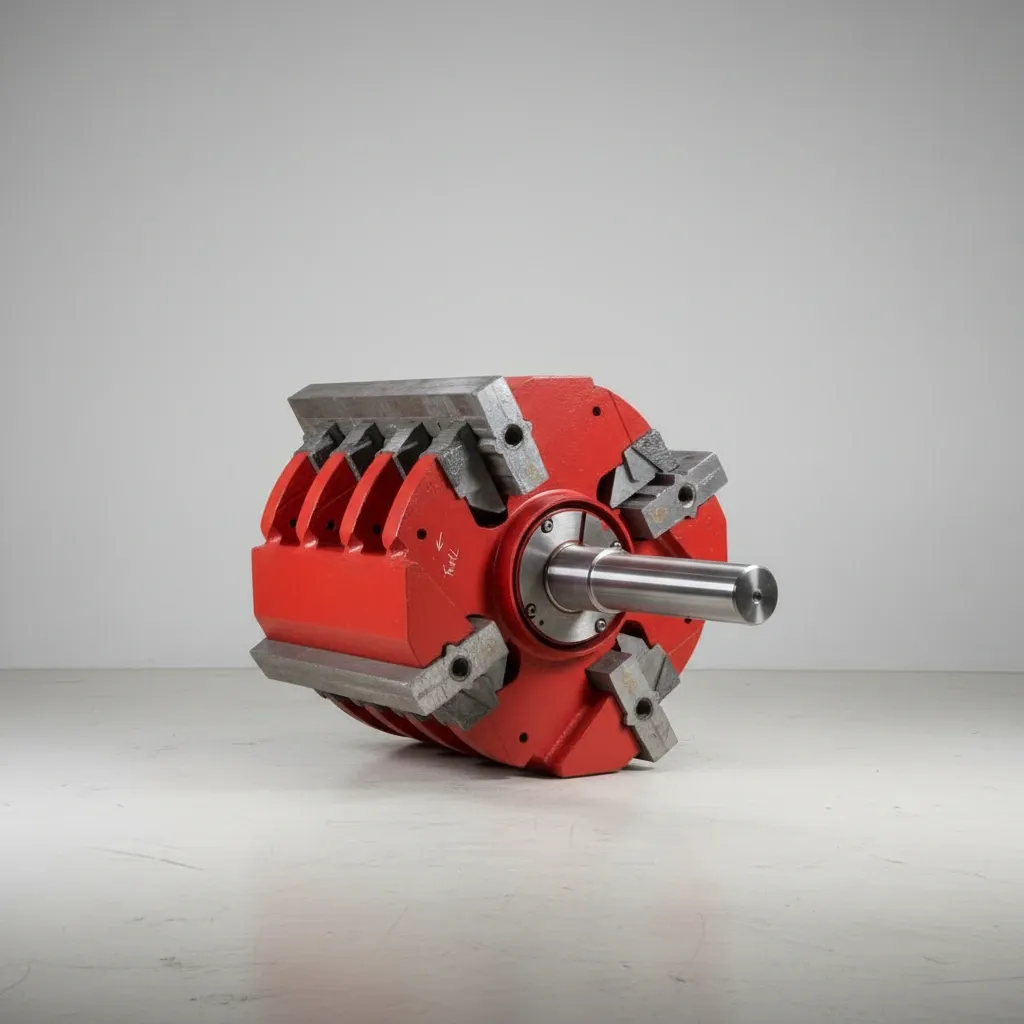
Shafts
Forged alloy steel main shafts that transmit drive torque to the rotor. Shafts operate under combined bending, torsion and impact loading. Dimensional accuracy at bearing journals and keyways is critical for rotor alignment and vibration control.
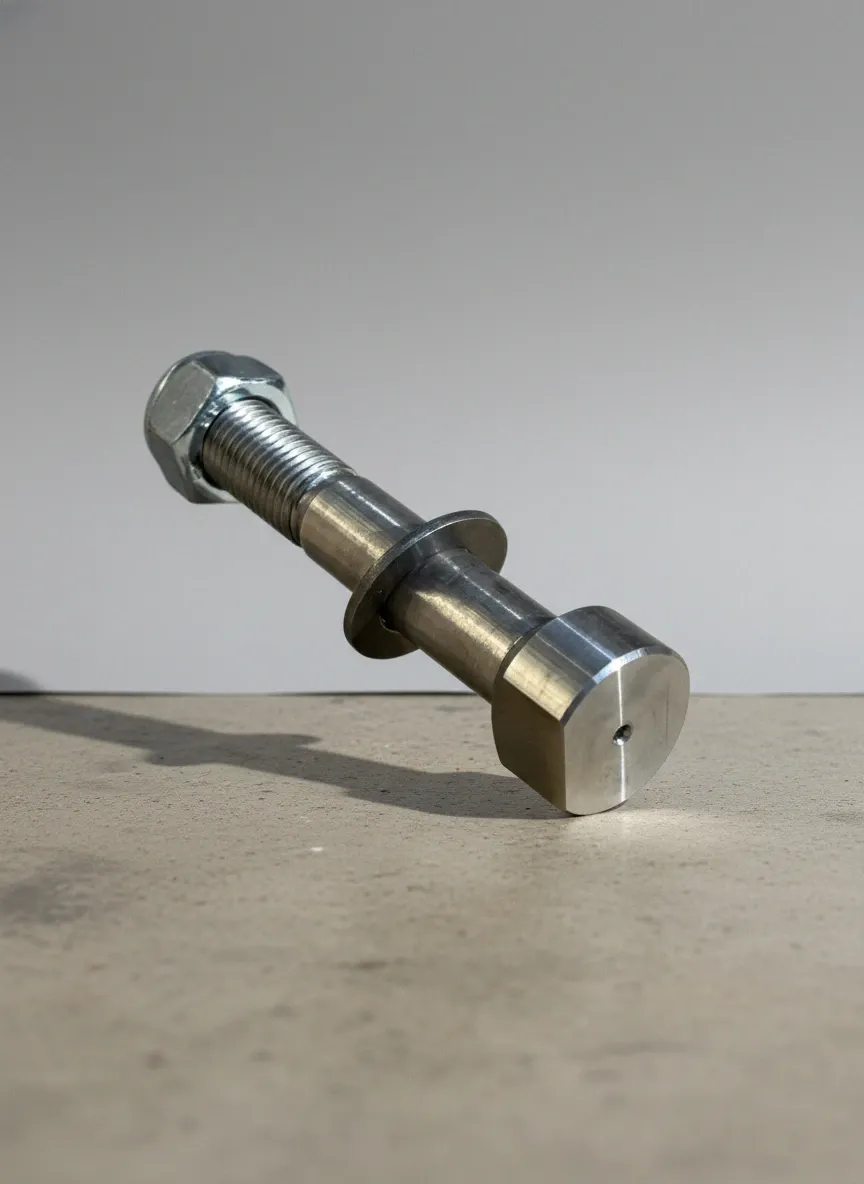
Fixation Bolts & Hardware
Grade 10.9 and 12.9 fasteners that secure blow bars in the rotor. Bolt failure under operation can eject a blow bar at rotor speed — a critical safety hazard. Correct torque, grade and thread engagement depth are non-negotiable.
Material Selection for HSI Crusher Parts
Material choice is the single most important decision affecting HSI crusher economics. The wrong alloy in the wrong application doesn't just wear faster — it fails catastrophically. ATF uses a two-step selection framework: choose the base alloy family for your feed conditions first, then evaluate composite upgrades (TiC or ceramic inserts) for additional wear life.
Manganese Steel
Mn14 / Mn18Cr2 / Mn22Cr3
Primary crushing, demolition, heavy rebar contamination
Baseline
Limitation: Glazes in low-energy secondary applications — avoid below 25 m/s tip speed
Martensitic Steel
48–54 HRC
Concrete recycling, asphalt, mixed demolition with moderate rebar
1.5–2× manganese in abrasive feeds
Limitation: Not suitable for large uncontrolled tramp metal — use manganese instead
High-Chrome Iron
60–64 HRC (standard) / 55–58 HRC (tempered)
Clean abrasive secondary/tertiary crushing — limestone, granite, aggregate
2–3× manganese in clean feeds
Limitation: Shatters on rebar or tramp metal impact — requires functioning metal detection
Ceramic Composite (MMC)
Base alloy + 1600 HV Al₂O₃-ZrO₂ inserts
Ultra-abrasive clean feeds where maximum wear life justifies higher cost
2–3× base alloy alone
Limitation: Ceramic inserts spall under point-load impact — clean feed preparation mandatory
Quick Selection Framework
Heavy rebar or unpredictable tramp metal? → Manganese Mn18Cr2 (or Mn22Cr3 for extreme impact)
Concrete/asphalt recycling with moderate rebar? → Martensitic steel 48–54 HRC
Clean abrasive aggregate (limestone, granite)? → High-chrome 60–64 HRC (functioning metal detection required)
Feed is clean AND wear life is the priority? → Add ceramic inserts to the chosen base alloy
Not sure which applies? Contact ATF with your feed material, throughput and current wear experience — we'll recommend the optimal configuration.
Compatible HSI Crusher Brands & Models
ATF manufactures aftermarket parts to OEM dimensional specifications. All parts are verified against original drawings before production. Dimensional tolerance: length ±2 mm, weight ±1%, bolt holes ±0.5 mm.
Metso
NP1007, NP1110, NP1213, NP1315, NP1520, NP1620
Nordberg NP series — most common globally
Sandvik
CI411, CI511, CI711, QI240, QI341, QI441
Stationary CI and mobile QI series
Terex / Powerscreen
I-44, I-54, CR038, I-1312, I-1412
Including Cedarapids and legacy Pegson models
Kleemann
MR 110 Z, MR 130 Z, MR 170 Z
Wirtgen Group mobile impactors
McCloskey
I34, I44, I54
I-series mobile impact crushers
Hazemag
AP-5, AP-6, AP-7, AP-9, APK-30, APK-40, APK-50
Stationary primary and secondary impactors
Don't see your crusher model? ATF maintains patterns and drawings for 50+ HSI crusher models including discontinued and legacy equipment. Send your crusher nameplate or part number for confirmation.
Verify Your ModelNeed HSI Parts Fast?
Stock blow bars and common wear parts ship within 1–2 weeks. Send your crusher model and part requirements for a same-day quotation.
HSI Crusher Maintenance Best Practices
Disciplined maintenance extends wear part life, prevents unplanned downtime and protects the crusher frame and bearings from damage caused by worn or unbalanced components.
Every Shift
- Visual inspection through access doors — check for loose or shifted bars
- Listen for abnormal vibration or metallic rattling during warm-up
- Verify hydraulic apron pressure gauges read within spec
Weekly
- Measure blow bar wear depth at three points per bar (leading edge, centre, trailing edge)
- Check apron gap settings against target CSS — adjust if product gradation has shifted
- Inspect side liners for breakthrough wear into housing
Monthly
- Weigh accessible blow bars — opposing bars must remain within ±0.5 kg for balance
- Inspect fixation bolts for torque loss, thread damage or elongation
- Check rotor disc and bar seating surfaces for cracks or deformation
At Rotation / Replacement
- Flip bars at 25–30% wear, reposition leading→trailing at 50–60%, replace at 70–80%
- Weigh all bars — match opposing positions within ±0.5 kg
- Inspect rotor for cracks using dye penetrant or ultrasonic testing
- Replace all fixation bolts — never reuse stretched fasteners
- Verify bar-to-apron clearance meets OEM spec before restart
Fixation Bolt Torque Reference
| Bolt Size | Grade 8.8 | Grade 10.9 | Grade 12.9 |
|---|---|---|---|
| M16 | 210 Nm | 295 Nm | 350 Nm |
| M20 | 410 Nm | 580 Nm | 690 Nm |
| M24 | 710 Nm | 1,000 Nm | 1,190 Nm |
| M30 | 1,400 Nm | 1,970 Nm | 2,340 Nm |
Values for dry, unlubricated threads. Always verify against your OEM manual — some designs specify lubricated torque values which are significantly lower.
Common HSI Crusher Problems & Solutions
Recognising wear patterns and operational symptoms early prevents costly damage to the rotor, bearings and crusher frame. Contact ATF technical support if you need help diagnosing an issue.
Uneven Blow Bar Wear
Probable Causes
- Off-centre feed distribution — material favouring one side of rotor
- Worn or misaligned feed chute directing material to specific bars
- One apron set tighter than the other, creating asymmetric load
Corrective Actions
- Check feed chute alignment and wear plates
- Measure and equalise apron gaps on both sides
- Rotate bar positions to redistribute remaining wear life
Premature Bar Cracking / Breakage
Probable Causes
- Tramp metal (rebar, loader teeth, hammers) passing metal detection
- Wrong material grade — brittle alloy used in high-impact application
- Fixation bolts over-torqued or under-torqued, creating stress risers
Corrective Actions
- Verify metal detection and magnet systems are functioning
- Review alloy selection against actual feed conditions
- Check bolt torque against OEM specification — replace if stretched
Manganese Bar Glazing
Probable Causes
- Insufficient impact energy — rotor speed too low for feed size
- Fine feed material that doesn't generate enough impact force
- Manganese used in secondary/tertiary position where martensitic is correct
Corrective Actions
- Increase rotor speed (if within OEM limits) or feed size
- Switch to martensitic or high-chrome for low-energy applications
- Verify manganese is only used where work-hardening can activate
Excessive Vibration
Probable Causes
- Weight imbalance between opposing blow bars (>1% difference)
- Loose or missing fixation bolts allowing bar movement
- Worn main bearings or rotor journal damage
Corrective Actions
- Weigh all bars — match opposing positions within ±0.5 kg
- Inspect and re-torque all fixation bolts
- Check bearing clearances and shaft journal condition
Reduced Throughput / Poor Product Shape
Probable Causes
- Worn aprons no longer providing effective secondary crushing
- Blow bars worn past 70–80% — insufficient protruding edge for material contact
- Apron gap too wide or narrow for target product specification
Corrective Actions
- Replace worn aprons — inspect for grooving and through-wear
- Replace blow bars if worn beyond rotation/flip limits
- Re-calibrate apron gaps to target CSS for desired product size
Frequently Asked Questions
Answers to common questions about HSI impact crusher parts, material selection, maintenance and ordering. Can't find what you're looking for?
Contact Our TeamWhat is the difference between an HSI and a VSI crusher?
Which blow bar material should I use for concrete recycling?
How often should HSI crusher blow bars be rotated?
What causes blow bars to crack instead of wearing evenly?
Are ATF impact crusher parts compatible with OEM equipment?
What information does ATF need to quote HSI crusher parts?
What is the typical lead time for HSI crusher parts?
Can ceramic blow bars be used in primary crushing?
Ready to Optimise Your HSI Crusher Performance?
ATF engineers respond within 24 hours with material recommendations, dimensional verification and competitive pricing for your specific crusher and application.
Request a Free QuotePeças Disponíveis (137)
Eagle 1000 (UM-15) Barra de impacto
Eagle · 1000 (UM-15)
Eagle 1200 (UM-25) Barra de impacto
Eagle · 1200 (UM-25)
Eagle 1400 (UM-45) Barra de impacto
Eagle · 1400 (UM-45)
Eagle 1600 (UM-69) Barra de impacto
Eagle · 1600 (UM-69)
Eagle 500 (UM-05) Barra de impacto
Eagle · 500 (UM-05)
Hartl 1060 Barra de impacto
Hartl · 1060
Hartl 1270 Barra de impacto
Hartl · 1270
Hartl 1310 Barra de impacto
Hartl · 1310
Hazemag AP-PM 1822 Barra de impacto
Hazemag · AP-PM 1822
Hazemag AP-PM 2225 Barra de impacto
Hazemag · AP-PM 2225
Hazemag AP-S 0813 Barra de impacto
Hazemag · AP-S 0813
Hazemag APK1006 Barra de impacto (3 canais)
Hazemag · APK1006
Hazemag APK1013 Barra de impacto
Hazemag · APK1013
Hazemag APK105 Barra de impacto
Hazemag · APK105
Hazemag APK30 Barra de impacto (3 canais)
Hazemag · APK30
Hazemag APK40 Barra de impacto (3 canais)
Hazemag · APK40
Hazemag APK40 Placa de impacto
Hazemag · APK40
Hazemag APK40 Barra de impacto (3 canais)
Hazemag · APK40
Hazemag APK40 Barra de impacto (2 canais)
Hazemag · APK40
Hazemag APK50 Barra de impacto (3 canais)
Hazemag · APK50
Hazemag APK50 Barra de impacto (2 canais)
Hazemag · APK50
Hazemag APK60 Barra de impacto
Hazemag · APK60
Hazemag APP1013 Barra de impacto
Hazemag · APP1013
Hazemag HAZ1013 Barra de impacto
Hazemag · HAZ1013
Hazemag HAZ1036 Barra de impacto
Hazemag · HAZ1036
Hazemag HAZ790 Barra de impacto (3 canais)
Hazemag · HAZ790
Hazemag HAZ790 Barra de impacto (2 canais)
Hazemag · HAZ790
Hazemag HAZ793 (2 grooves)- M3717454 Barra de impacto (2 canais)
Hazemag · HAZ793 (2 grooves)- M3717454
Hazemag HAZ796 Placa de impacto
Hazemag · HAZ796
Hazemag HAZ797 Placa de impacto
Hazemag · HAZ797
Hazemag HAZ853 Placa de impacto
Hazemag · HAZ853
Hazemag HPI2025 Barra de impacto
Hazemag · HPI2025
Hazemag M0172990 Barra de impacto
Hazemag · M0172990
Hazemag M0174348 Barra de impacto
Hazemag · M0174348
Hazemag M1022/APS1313/AP-PH1214 Barra de impacto
Hazemag · M1022/APS1313/AP-PH1214
Hazemag M596 Barra de impacto
Hazemag · M596
Hazemag MOD 686 Barra de impacto
Hazemag · MOD 686
Inertia 4048 Barra de impacto
Inertia · 4048
Inertia 5066 Barra de impacto
Inertia · 5066
Irock S3151-13-4 Barra de impacto
Irock · S3151-13-4
Irock S3151-13-5 Barra de impacto
Irock · S3151-13-5
Keestrack Destroyer 1112,1113 Barra de impacto
Keestrack · Destroyer 1112,1113
Keestrack R3 Barra de impacto
Keestrack · R3
Keestrack R3 NEW Barra de impacto
Keestrack · R3 NEW
Keestrack R5 Barra de impacto
Keestrack · R5
Keestrack R5 NEW Barra de impacto
Keestrack · R5 NEW
Keestrack R6 KP Barra de impacto
Keestrack · R6 KP
Keestrack R6 KT (Destroyer) Barra de impacto
Keestrack · R6 KT (Destroyer)
Kleemann MR-130 Z/R Barra de impacto
Kleemann · MR-130 Z/R
Kleemann MR-130 Z/R EVO-2 Placa de impacto
Kleemann · MR-130 Z/R EVO-2
Kleemann MR100Z/ SHB10 (X shape) Barra de impacto
Kleemann · MR100Z/ SHB10 (X shape)
Kleemann MR110Z Placa de impacto
Kleemann · MR110Z
Kleemann MR110Z EVO (C shape) Barra de impacto
Kleemann · MR110Z EVO (C shape)
Kleemann MR122Z /SHB12 (X shape) Barra de impacto
Kleemann · MR122Z /SHB12 (X shape)
Kleemann MR130Z Placa de impacto
Kleemann · MR130Z
Kleemann MR130Z EVO (C shape) Barra de impacto
Kleemann · MR130Z EVO (C shape)
Kleemann MR130Z/SHB13 (S shape) Barra de impacto
Kleemann · MR130Z/SHB13 (S shape)
Kleemann MR150Z (C shape) Barra de impacto
Kleemann · MR150Z (C shape)
Kleemann MR150Z (X shape) Barra de impacto
Kleemann · MR150Z (X shape)
Kleemann SHB14 Barra de impacto
Kleemann · SHB14
KPI-JCI(ASTEC) FT4240 Barra de impacto
KPI-JCI(ASTEC) · FT4240
KPI-JCI(ASTEC) FT4250 Barra de impacto
KPI-JCI(ASTEC) · FT4250
KPI-JCI(ASTEC) FT5260 Barra de impacto
KPI-JCI(ASTEC) · FT5260
Lippmann 4248 Barra de impacto
Lippmann · 4248
Lippmann 5165 Barra de impacto
Lippmann · 5165
McCloskey I34 Barra de impacto
McCloskey · I34
McCloskey I44 Barra de impacto
McCloskey · I44
McCloskey I4C Barra de impacto
McCloskey · I4C
McCloskey I54 Barra de impacto
McCloskey · I54
Metso NP-LT 1213/1313 (NP13) Barra de impacto
Metso · NP-LT 1213/1313 (NP13)
Metso NP-LT 1007 Barra de impacto
Metso · NP-LT 1007
Metso NP-LT 1110 Barra de impacto
Metso · NP-LT 1110
Metso NP-LT 1213/1313 (NP13) Barra de impacto
Metso · NP-LT 1213/1313 (NP13)
Metso NP-LT 1213/1313 (NP13) Placa de impacto
Metso · NP-LT 1213/1313 (NP13)
Metso NP-LT 1213/1313 (NP13) Placa de impacto
Metso · NP-LT 1213/1313 (NP13)
Metso NP-LT 1315/1415 (NP15) Barra de impacto
Metso · NP-LT 1315/1415 (NP15)
Metso NP-LT 1007 Placa de impacto
Metso · NP-LT 1007
Metso NP-LT 1110 Placa de impacto
Metso · NP-LT 1110
Metso NP1520/1620 Barra de impacto
Metso · NP1520/1620
Portafill 7000-IC Bloco de impacto
Portafill · 7000-IC
Portafill 7000-IC Bloco de impacto dentado
Portafill · 7000-IC
Portafill 7000-IC Full Barra de impacto
Portafill · 7000-IC Full
Rockster R700 Barra de impacto
Rockster · R700
Rockster R900 Barra de impacto
Rockster · R900
Rubblemaster RM100 Barra de impacto
Rubblemaster · RM100
Rubblemaster RM100 Placa de impacto
Rubblemaster · RM100
Rubblemaster RM100 Placa de impacto
Rubblemaster · RM100
Rubblemaster RM100 Placa de impacto
Rubblemaster · RM100
Rubblemaster RM120 Barra de impacto
Rubblemaster · RM120
Rubblemaster RM120 Placa de impacto
Rubblemaster · RM120
Rubblemaster RM120 Placa de impacto
Rubblemaster · RM120
Rubblemaster RM60 Barra de impacto
Rubblemaster · RM60
Rubblemaster RM70 Barra de impacto
Rubblemaster · RM70
Rubblemaster RM70 Placa de impacto
Rubblemaster · RM70
Rubblemaster RM70 Placa de impacto
Rubblemaster · RM70
Rubblemaster RM80/90 Barra de impacto
Rubblemaster · RM80/90
Rubblemaster RM80/90 Placa de impacto
Rubblemaster · RM80/90
Rubblemaster RM80/90 Placa de impacto
Rubblemaster · RM80/90
Sandvik CI124 Barra de impacto
Sandvik · CI124
Sandvik CI224 Barra de impacto
Sandvik · CI224
Sandvik QI340 (Extec I-C13, APP1013) Barra de impacto
Sandvik · QI340 (Extec I-C13, APP1013)
Sandvik QI341 (QI240) Barra de impacto
Sandvik · QI341 (QI240)
Sandvik QI353 Barra de impacto
Sandvik · QI353
Sandvik QI441 (QI440) Barra de impacto
Sandvik · QI441 (QI440)
SBM 10.6.4 Barra de impacto
SBM · 10.6.4
SBM 1311/1313 Barra de impacto
SBM · 1311/1313
SBM REMAX 200 Barra de impacto
SBM · REMAX 200
SBM REMAX 300 Barra de impacto
SBM · REMAX 300
SBM REMAX 400 Barra de impacto
SBM · REMAX 400
Striker 1112/1312 Barra de impacto -100 mm
Striker · 1112/1312
Striker 1112/1312 Barra de impacto -120 mm
Striker · 1112/1312
Striker 1315 Barra de impacto
Striker · 1315
Striker 907 Barra de impacto
Striker · 907
Terex Cedarapids 5048 HIS Barra de impacto
Terex Cedarapids · 5048 HIS
Terex Cedarapids 5064 HIS Barra de impacto
Terex Cedarapids · 5064 HIS
Terex Evoquip Cobra 230/260 Barra de impacto
Terex Evoquip · Cobra 230/260
Terex Evoquip Cobra 230/260 (Short/Half) Barra de impacto
Terex Evoquip · Cobra 230/260 (Short/Half)
Terex Evoquip Cobra 290 Barra de impacto
Terex Evoquip · Cobra 290
Terex Finlay I-100 (IC-100) Barra de impacto
Terex Finlay · I-100 (IC-100)
Terex Finlay I-110 (I-1310) Barra de impacto
Terex Finlay · I-110 (I-1310)
Terex Finlay I-120 Barra de impacto
Terex Finlay · I-120
Terex Finlay I-130 Barra de impacto
Terex Finlay · I-130
Terex Finlay I-140 Barra de impacto
Terex Finlay · I-140
Terex Finlay IC110 Barra de impacto
Terex Finlay · IC110
Terex Powerscreen Pegson 1412 tracpactor (Hazemag chamber) Barra de impacto
Terex Powerscreen · Pegson 1412 tracpactor (Hazemag chamber)
Terex Powerscreen Pegson 428 Barra de impacto
Terex Powerscreen · Pegson 428
Terex Powerscreen Pegson 428 Barra de desgaste
Terex Powerscreen · Pegson 428
Terex Powerscreen Trakpactor 320 (New clamped) Barra de impacto
Terex Powerscreen · Trakpactor 320 (New clamped)
Terex Powerscreen Trakpactor 320 (Old clamped) Barra de impacto
Terex Powerscreen · Trakpactor 320 (Old clamped)
Terex Powerscreen Trakpactor 550 (Hazemag chamber) Barra de impacto
Terex Powerscreen · Trakpactor 550 (Hazemag chamber)
Terex Powerscreen Trakpactor 550 (Terex chamber) Barra de impacto
Terex Powerscreen · Trakpactor 550 (Terex chamber)
Terex Powerscreen XH250 Barra de impacto
Terex Powerscreen · XH250
Terex Powerscreen XH320 (unclamped) Barra de impacto
Terex Powerscreen · XH320 (unclamped)
Tesab RK1012 Barra de impacto
Tesab · RK1012
Tesab RK1012 Régua de moagem
Tesab · RK1012
Tesab RK623/624 Barra de impacto
Tesab · RK623/624
Tesab RK623/624 Régua de moagem
Tesab · RK623/624
Solicite um Orçamento Gratuito Hoje
Nossa equipe de engenharia responde em 24 horas com especificações detalhadas, recomendações de materiais e preços competitivos.