

Soluções por Indústria
Peças de Desgaste para Mineração e Processamento Mineral | ATF
Componentes resistentes ao desgaste para mineração. Placas de manganês, revestimentos cônico e moinho para minérios abrasivos e operação contínua.
Wear Parts for Mining Operations
Mining operations subject crusher and mill components to conditions no other industry matches. Continuous operation across multiple shifts, highly abrasive silica-rich ores, extreme impact forces from oversized feed, and remote locations where unplanned downtime carries severe production and logistics consequences. Whether processing copper, gold, iron ore, lithium, or industrial minerals, wear parts must deliver consistent performance under sustained loading — and predictable wear patterns that allow maintenance to be planned rather than reactive.
Material selection in mining applications is driven by ore characteristics. High-silica ores (quartzite, taconite, some copper porphyries) cause accelerated abrasive wear that shortens service intervals. Impact loading from oversized feed and tramp metal requires toughness to prevent catastrophic failure. The combination of abrasion and impact determines whether standard manganese grades are sufficient or whether premium alloys and composite inserts are justified by the extended service intervals they deliver.
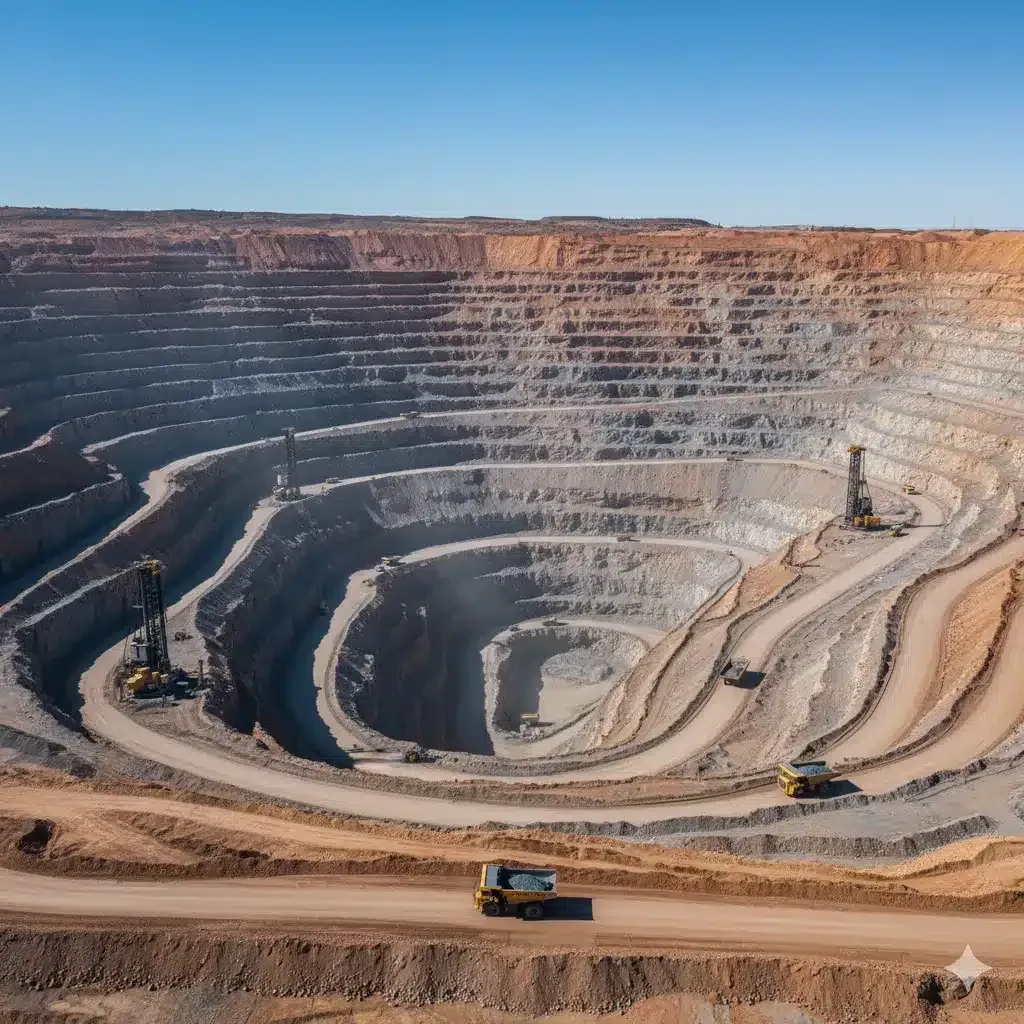
Primary Crushing in Mining
Run-of-mine ore reduction from blast fragmentation to conveyor-transportable size
Why Mining Operations Demand Different Wear Parts
The same crusher model requires fundamentally different materials depending on whether it processes limestone aggregate or hard-rock mining ore. Mining conditions are defined by four factors that distinguish them from every other crushing application.
Ore Abrasiveness
High-silica ores wear components significantly faster than sedimentary rock. Quartzite (Mohs 7), taconite, and silica-rich copper ores cause abrasive wear rates that standard Mn13 grades cannot sustain economically. Material selection must account for the abrasive mineral content — not just the bulk rock hardness.
Continuous Operation
Mining crushers and mills typically run 8,000+ hours per year across multiple shifts. This sustained loading leaves no margin for premature wear-out. Components must deliver predictable wear patterns that align with scheduled maintenance windows — typically planned weeks or months in advance at remote sites.
Impact Loading
Primary crushers receive run-of-mine feed with oversized material, blast-induced fines, and occasional tramp metal (drill steel, ground engaging tools, lost excavator teeth). Wear parts must resist both abrasive wear and impact events without catastrophic failure.
Remote Logistics
Many mining operations are located in remote areas where replacement parts require weeks of lead time. Wear life predictability is not just a cost factor — it is an operational planning requirement. Premature failure at a remote site cascades into lost production, expedited freight, and unscheduled maintenance labor.
Material Selection by Crushing Stage
Mining comminution circuits typically include primary crushing, secondary and tertiary crushing, and grinding. Each stage subjects wear parts to different combinations of impact and abrasion. Material grade selection follows the stage requirements — not a single "mining grade" applied everywhere.
| Etapa de britagem | Equipamento típico | Peças de desgaste principais | Material típico | Por quê |
|---|---|---|---|---|
| Primary crushing | Gyratory, large jaw (C140+) | Mantles, concaves, jaw plates | Mn22Cr2, Mn22Cr2 + TiC | Maximum toughness for oversized feed and tramp metal |
| Secondary crushing | Cone (HP500, CH870, Symons 7') | Mantles, concaves | Mn18Cr2, Mn22Cr2 | Balance of abrasion resistance and toughness |
| Tertiary crushing | Cone (HP300, CH440), VSI | Mantles, concaves, rotor tips | Mn18Cr2, high-chrome, ceramic MMC | Abrasion resistance priority as impact energy decreases |
| Grinding | SAG mill, ball mill | Shell liners, lifter bars | High-chrome white iron, Mn steel | Sustained abrasion at lower impact than crushing stages |
| Slurry transport | Centrifugal pumps | Impellers, volutes, throatbush | High-chrome, natural rubber | Erosion-corrosion from abrasive slurry |
Primary crushing
- Equipamento
- Gyratory, large jaw (C140+)
- Peças de desgaste
- Mantles, concaves, jaw plates
- Material
- Mn22Cr2, Mn22Cr2 + TiC
- Por quê
- Maximum toughness for oversized feed and tramp metal
Secondary crushing
- Equipamento
- Cone (HP500, CH870, Symons 7')
- Peças de desgaste
- Mantles, concaves
- Material
- Mn18Cr2, Mn22Cr2
- Por quê
- Balance of abrasion resistance and toughness
Tertiary crushing
- Equipamento
- Cone (HP300, CH440), VSI
- Peças de desgaste
- Mantles, concaves, rotor tips
- Material
- Mn18Cr2, high-chrome, ceramic MMC
- Por quê
- Abrasion resistance priority as impact energy decreases
Grinding
- Equipamento
- SAG mill, ball mill
- Peças de desgaste
- Shell liners, lifter bars
- Material
- High-chrome white iron, Mn steel
- Por quê
- Sustained abrasion at lower impact than crushing stages
Slurry transport
- Equipamento
- Centrifugal pumps
- Peças de desgaste
- Impellers, volutes, throatbush
- Material
- High-chrome, natural rubber
- Por quê
- Erosion-corrosion from abrasive slurry
Note: Material recommendations shown are typical starting points for hard-rock mining applications. Actual selection depends on ore mineralogy, feed characteristics, and operational priorities. Contact ATF for application-specific recommendations based on your ore type and circuit configuration.
Mining Crushing and Grinding Equipment
Mining operations use equipment across the full comminution circuit — from primary crushers receiving run-of-mine ore to grinding mills producing flotation or leach feed. ATF manufactures wear components for each stage.
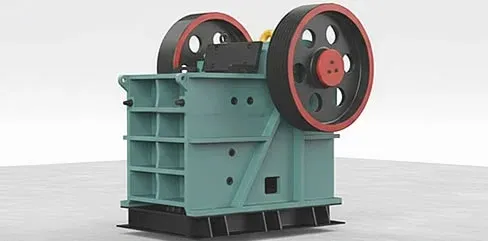
Gyratory & Large Jaw Crushers
Primary ore reduction from blast fragmentation. Gyratory crushers (FLSmidth, Metso, ThyssenKrupp) for high-tonnage surface mines. Large jaw crushers (C140, C160, C200) for underground and medium-scale surface operations.
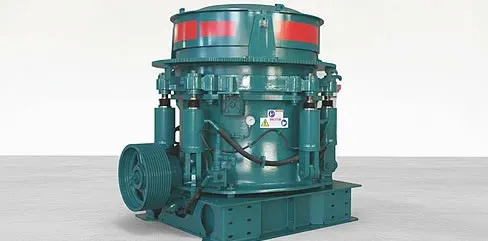
Cone Crushers
Secondary and tertiary size reduction. HP, GP, CH, CS, Symons, and Omnicone series for controlled product sizing before grinding circuits.
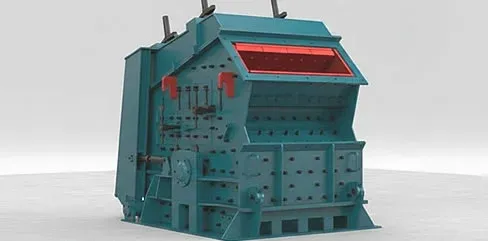
Impact Crushers
Selective applications where product shape or circuit flexibility is required. HSI crushers for softer ore and limestone pre-crushing.
SAG & Ball Mills
Grinding for mineral liberation. SAG mills for primary grinding, ball mills for secondary and regrind circuits. Shell liners, end liners, lifter bars, and discharge grates.
Slurry Pumps
Abrasive slurry transport throughout the processing plant. Impellers, volutes, and throatbush components in high-chrome and rubber compounds.
Processing abrasive ore?
Send your ore type, crusher model, and current wear life — ATF recommends materials matched to your specific mining application.
E-mail: info@atfcs.com
Get Mining RecommendationsWear Patterns Typical in Mining Applications
Understanding wear patterns helps identify whether current material selection is appropriate or whether an upgrade is justified. These patterns are common across mining operations — if your operation shows similar symptoms, material or operational adjustments may extend service intervals.
Accelerated Tooth / Edge Rounding
Jaw plates and cone liner feed zones lose geometry faster than the body wears. Typical in high-silica ores where abrasive wear dominates. Indicates material abrasion resistance is insufficient — consider upgrading manganese grade or adding TiC inserts at wear surfaces.
Uneven Mantle / Concave Wear
One side of a cone crusher chamber wears significantly faster than the other. Usually caused by uneven feed distribution, not material deficiency. Check feed distribution system, spider arm condition, and feed chute alignment before upgrading materials.
Mill Liner Peening and Packing
Grinding media and fine material pack between lifter bars, reducing grinding efficiency and accelerating liner wear. Common in SAG mills processing clay-rich or moisture-bearing ores. Indicates liner profile or lifter bar spacing may need adjustment.
Premature Pump Component Erosion
Slurry pump impellers and volutes wearing faster than expected. Often caused by running above design solids concentration, oversized particles bypassing hydrocyclone classification, or corrosive slurry chemistry. Check circuit classification efficiency before attributing to material quality.
Accelerated Tooth / Edge Rounding
Jaw plates and cone liner feed zones lose geometry faster than the body wears. Typical in high-silica ores where abrasive wear dominates. Indicates material abrasion resistance is insufficient — consider upgrading manganese grade or adding TiC inserts at wear surfaces.
Uneven Mantle / Concave Wear
One side of a cone crusher chamber wears significantly faster than the other. Usually caused by uneven feed distribution, not material deficiency. Check feed distribution system, spider arm condition, and feed chute alignment before upgrading materials.
Mill Liner Peening and Packing
Grinding media and fine material pack between lifter bars, reducing grinding efficiency and accelerating liner wear. Common in SAG mills processing clay-rich or moisture-bearing ores. Indicates liner profile or lifter bar spacing may need adjustment.
Premature Pump Component Erosion
Slurry pump impellers and volutes wearing faster than expected. Often caused by running above design solids concentration, oversized particles bypassing hydrocyclone classification, or corrosive slurry chemistry. Check circuit classification efficiency before attributing to material quality.
When Is a Material Upgrade Justified in Mining?
Higher-grade materials cost more per component but deliver longer service intervals. Whether the upgrade is justified depends on the total cost of a change-out — not just the part price. Mining operations where change-outs require crane mobilization, production shutdown, and multi-day maintenance schedules see the largest return from material upgrades.
| Situação atual | Considerar substituição quando | Caminho de substituição típico |
|---|---|---|
| Mn13 jaw plates wearing too fast in hard ore | Service intervals are less than half the expected duration | Mn13 → Mn18 or Mn22 |
| Standard Mn18 cone liners in abrasive ore | Edge rounding limits life before body wears out | Mn18 → Mn18+TiC or Mn22 |
| High-chrome mill liners cracking under impact | Fracture events causing unplanned shutdowns | High-chrome → manganese steel |
| Standard blow bars in abrasive limestone pre-crushing | Bars wearing to minimum before scheduled shutdown | Martensitic → high-chrome or ceramic MMC |
| Any component where change-out cost exceeds part cost | Part life extension reduces annual change-outs by one or more cycles | Evaluate next-grade material economics |
Mn13 jaw plates wearing too fast in hard ore
- Considerar substituição quando
- Service intervals are less than half the expected duration
- Caminho de substituição
- Mn13 → Mn18 or Mn22
Standard Mn18 cone liners in abrasive ore
- Considerar substituição quando
- Edge rounding limits life before body wears out
- Caminho de substituição
- Mn18 → Mn18+TiC or Mn22
High-chrome mill liners cracking under impact
- Considerar substituição quando
- Fracture events causing unplanned shutdowns
- Caminho de substituição
- High-chrome → manganese steel
Standard blow bars in abrasive limestone pre-crushing
- Considerar substituição quando
- Bars wearing to minimum before scheduled shutdown
- Caminho de substituição
- Martensitic → high-chrome or ceramic MMC
Any component where change-out cost exceeds part cost
- Considerar substituição quando
- Part life extension reduces annual change-outs by one or more cycles
- Caminho de substituição
- Evaluate next-grade material economics
Note: Material upgrades are not always the answer. Many wear issues in mining are caused by feed distribution, crusher settings, or operational factors. ATF evaluates the operational context before recommending material changes.
Mining Wear Parts — Common Questions
Encontre respostas para perguntas comuns sobre peças de desgaste para esta aplicação. Não encontrou o que procura?
Contatar nossa equipeWhy does mining ore wear crusher parts faster than quarry rock?
What manganese grade is typically used for hard-rock mining?
How do I plan replacement parts for a remote mining site?
Can aftermarket parts match OEM performance in mining applications?
What causes cone crusher liners to crack in mining applications?
How does SAG mill liner selection affect grinding efficiency?
Wear Parts for Mining Operations
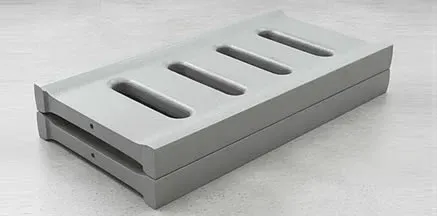
Jaw Crusher Parts
Fixed and swing jaw plates, cheek plates, toggle plates for primary ore reduction.
→ View Jaw Crusher Parts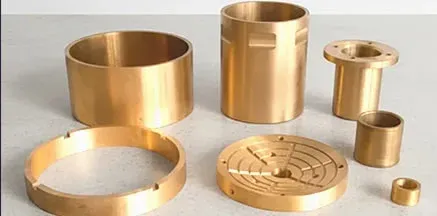
Cone Crusher Parts
Mantles, concaves, feed cones for HP, GP, CH, CS, and Symons crushers.
→ View Cone Crusher Parts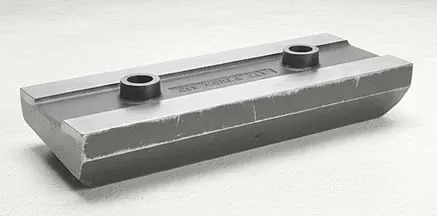
Impact Crusher Parts
Blow bars, impact plates, side liners for HSI and VSI crushers.
→ View Impact Crusher Parts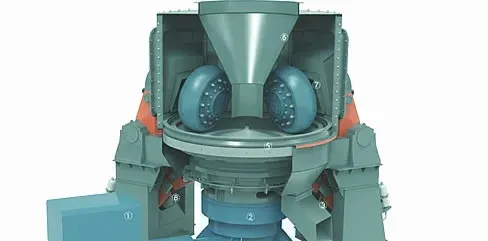
SAG Mill Parts
Shell liners, end liners, lifter bars, discharge grates for SAG mills.
→ View SAG Mill Parts Ball Mill Parts
Shell liners, end liners, lifter bars, grates for ball mills.
→ View Ball Mill Parts Slurry Pump Parts
Impellers, volutes, throatbush for centrifugal slurry pumps.
→ View Slurry Pump PartsMining-Grade Wear Parts, Factory Direct
Tell us your ore type, equipment, and current wear challenges. ATF recommends the right materials for your mining application.
Get Mining RecommendationsSolicite um Orçamento Gratuito Hoje
Nossa equipe de engenharia responde em 24 horas com especificações detalhadas, recomendações de materiais e preços competitivos.