

Especificações principais
- Steel Grades
- Cr-Mo (ASTM A532 Class II/III), Mn Steel, Bimetallic
- Steel Hardness
- 325–450 BHN (Cr-Mo), 600+ BHN face (bimetallic)
- Lifter Height
- 200–350 mm (mill-diameter dependent)
- Liner Weight Range
- 500–5,000 kg per piece
- Mill Diameter Range
- 6 m (20 ft) – 12 m (40 ft)
- Impact Energy Rating
- Designed for 100–150 mm ball media + ROM ore
- Campaign Life
- 4–12 months (ore and charge dependent)
- Profile Types
- High-Lift, Wave, Stepped, Custom
SAG Mill Shell Liners: Engineered for Primary Grinding Duty
Semi-autogenous grinding (SAG) mills process run-of-mine (ROM) ore directly from the mine, creating extreme impact loading conditions that demand the most robust liner designs in comminution equipment. SAG mill shell liners must withstand repeated impacts from large ore chunks up to 300 mm in diameter and heavy grinding media of 100–150 mm forged steel balls, while simultaneously controlling charge trajectory for efficient autogenous and semi-autogenous breakage. Liner profiles in SAG mills feature significantly taller lifter heights (200–350 mm) than ball mills and require thicker shell plate sections to absorb the severe cyclic impact energy without cracking or spalling. ATF manufactures SAG mill shell liners from ASTM A532 Class II and Class III chrome-moly steel at 325–450 BHN, as well as bimetallic composite castings with a 600+ BHN hard face bonded to a tough 300 BHN backing, giving operators flexibility to match material selection to their specific ore abrasiveness and impact severity.
SAG mill liners operate in a fundamentally different and more demanding environment than ball mill liners. The mixed charge of ore and balls produces both high-energy impact at the toe of the charge and severe sliding abrasion along the lifter faces, requiring a carefully balanced combination of hardness and fracture toughness that only chrome-moly steel alloys can consistently deliver. Higher-hardness grades (400–450 BHN) extend wear life in abrasive ores but must be specified cautiously in high-impact zones where toughness is critical to prevent catastrophic liner failure. ATF engineers SAG mill liner systems optimised for each installation, considering mill diameter (6 m to 12 m), rotational speed (typically 68–76% of critical), ball charge percentage (8–15%), total charge volume (25–35%), ore Bond Abrasion Index, and target throughput. Discrete Element Method (DEM) simulation and decades of field performance data from mining operations worldwide inform every profile recommendation, ensuring each liner set delivers maximum grinding efficiency and campaign life.
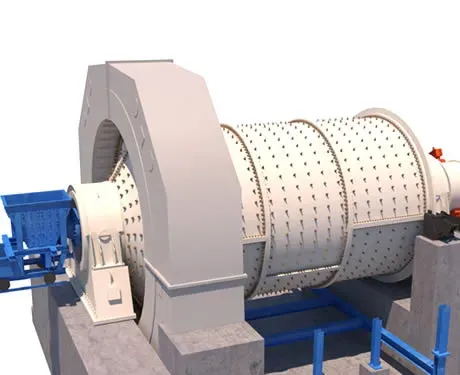
High-lift chrome-moly steel shell liners for SAG mill circuits — engineered for high-impact semi-autogenous grinding
Key Features of ATF SAG Mill Shell Liners
High-Lift Profiles
Tall lifter profiles (200-350mm) engineered to lift the heavy SAG mill charge for effective impact breakage of run-of-mine ore.
Impact-Resistant Steel
Chrome-moly alloy steel (325-450 BHN) balancing hardness for wear resistance with toughness to survive high-energy impacts.
Wave Profile Options
Wave liner profiles available for mills requiring modified charge motion and extended liner life.
Heavy Section Design
Increased liner thickness compared to ball mills to withstand the extreme impact loading in SAG mill applications.
Large Mill Capability
Experience with liners for SAG mills up to 12m (40ft) diameter. Large segment castings for reduced relining time.
Optimized Row Counts
Lifter row count and spacing optimized for mill diameter, speed, and charge composition to maximize grinding efficiency.
Material Options for SAG Mill Shell Liners
SAG mill shell liner material must balance impact toughness against abrasive wear resistance. Higher hardness improves wear life but may reduce impact resistance in severe applications.
| Material | Dureza | Aplicação | Notas |
|---|---|---|---|
| Chrome-Moly Steel (Standard) | 325-370 BHN | General SAG mill applications with moderate ore hardness | Excellent toughness, good wear resistance |
| Chrome-Moly Steel (High-Hard) | 400-450 BHN | Abrasive ores where impact loading is moderate | Maximum wear resistance with acceptable toughness |
| High-Chrome White Iron | 600+ BHN | Shell plates in low-impact zones only | Not recommended for lifter bars due to brittleness |
| Bimetallic Composite | Face: 600 BHN, Back: 300 BHN | Extended wear life in specific applications | Hard face with tough backing |
Chrome-Moly Steel (Standard)
Chrome-Moly Steel (High-Hard)
High-Chrome White Iron
Bimetallic Composite
Note: SAG mill liner material selection requires careful analysis of ore characteristics, ball charge, and operating conditions. ATF provides application-specific recommendations.
Need SAG Mill Shell Liners?
Send your mill specifications and ore data for optimized liner recommendations.
OEM Compatibility
ATF manufactures shell liners for all major SAG mill brands and sizes, from 6m (20ft) to 12m (40ft) diameter mills.
Metso Outotec
- SAG Mills (all sizes)
- Premier Mills
FLSmidth
- SAG Mills (all sizes)
- ABON Mills
- Fuller-Traylor Mills
ThyssenKrupp
- SAG Mills (all sizes)
- Polysius Mills
CITIC
- SAG Mills (all sizes)
Outotec (legacy)
- SAG Mills (all sizes)
Custom Mills
- All SAG mill makes and sizes
Shell Liners Perguntas frequentes
Encontre respostas para perguntas comuns sobre shell liners materiais, seleção, manutenção e pedidos. Não encontrou o que procura?
Contatar nossa equipeHow long do SAG mill shell liners last?
What lifter height is optimal for SAG mills?
How does SAG mill liner profile differ from ball mill?
Should I use high-lift or wave profile liners?
Conteúdo técnico revisado pela equipe de engenharia da ATF | Especificações metalúrgicas verificadas conforme normas ASTM/ISO
Get a Quote for SAG Mill Shell Liners
Provide your mill specifications and ore characteristics for optimized liner recommendations.
Contact ATF Engineering