

Key Specifications
- Material Grades
- Cr-Mo Steel (ASTM A532), HCWI, Natural Rubber
- Steel Hardness
- 325–400 BHN (Cr-Mo), 600+ BHN (HCWI)
- Rubber Hardness
- 60–70 Shore A
- Piece Weight
- 200–3,000 kg (mill-diameter dependent)
- Mill Compatibility
- 1.8 m – 7.9 m diameter ball mills
- Discharge Types
- Overflow, Grate, Peripheral
- Bolt Grades
- Grade 8.8–10.9 T-head / J-hook
Material Options for End Liners
End liner material selection considers the wear mechanism at each position and integration with the overall liner system.
| Material | Hardness | Application | Notes |
|---|---|---|---|
| Chrome-Moly Steel | 325-400 BHN | Standard end liners for most ball mills | Matches shell liner material for consistent wear |
| High-Chrome White Iron | 600+ BHN | Abrasive grinding applications | Maximum hardness for severe abrasion |
| Natural Rubber | 60-70 Shore A | Rubber-lined mills, noise-sensitive applications | Coordinates with rubber shell liners |
Chrome-Moly Steel
High-Chrome White Iron
Natural Rubber
Note: End liner material typically matches the shell liner material for consistent wear patterns.
Ball Mill End Liners: Head Protection and Material Flow
End liners (also called head liners) protect the mill heads at both the feed and discharge ends from impact and abrasive wear while directing material flow through the grinding chamber. Feed-end liners guide incoming ore from the trunnion into the active grinding zone, and their profile geometry influences how quickly fresh feed is incorporated into the ball charge. Discharge-end liners work in conjunction with the discharge system—whether overflow, grate, or peripheral—to control product exit rate and prevent short-circuiting of unground material. Both positions must withstand sustained impact from the tumbling ball charge at speeds of 70–78% of critical, combined with continuous sliding abrasion from ore particles. ATF manufactures end liners from ASTM A532 chrome-moly steel (325–400 BHN), high-chrome white iron (600+ BHN), and natural rubber (60–70 Shore A), with each piece dimensionally verified against the specific mill head profile.
End liner design directly affects grinding efficiency through its influence on material flow patterns and charge dynamics near the mill heads. Poorly designed end liners create dead zones where material accumulates without effective grinding, reducing throughput and increasing specific energy consumption. ATF engineers end liners matched to your specific mill configuration, trunnion diameter, discharge system type, and grinding circuit objectives. Finite element analysis ensures each end liner withstands the cyclic impact loads experienced during mill rotation, while profile optimization promotes efficient material circulation. End liners are typically supplied in segmented configurations of 6 to 12 pieces per head, with integral lifting lugs and precisely located bolt holes for safe handling and rapid installation during scheduled relining shutdowns.
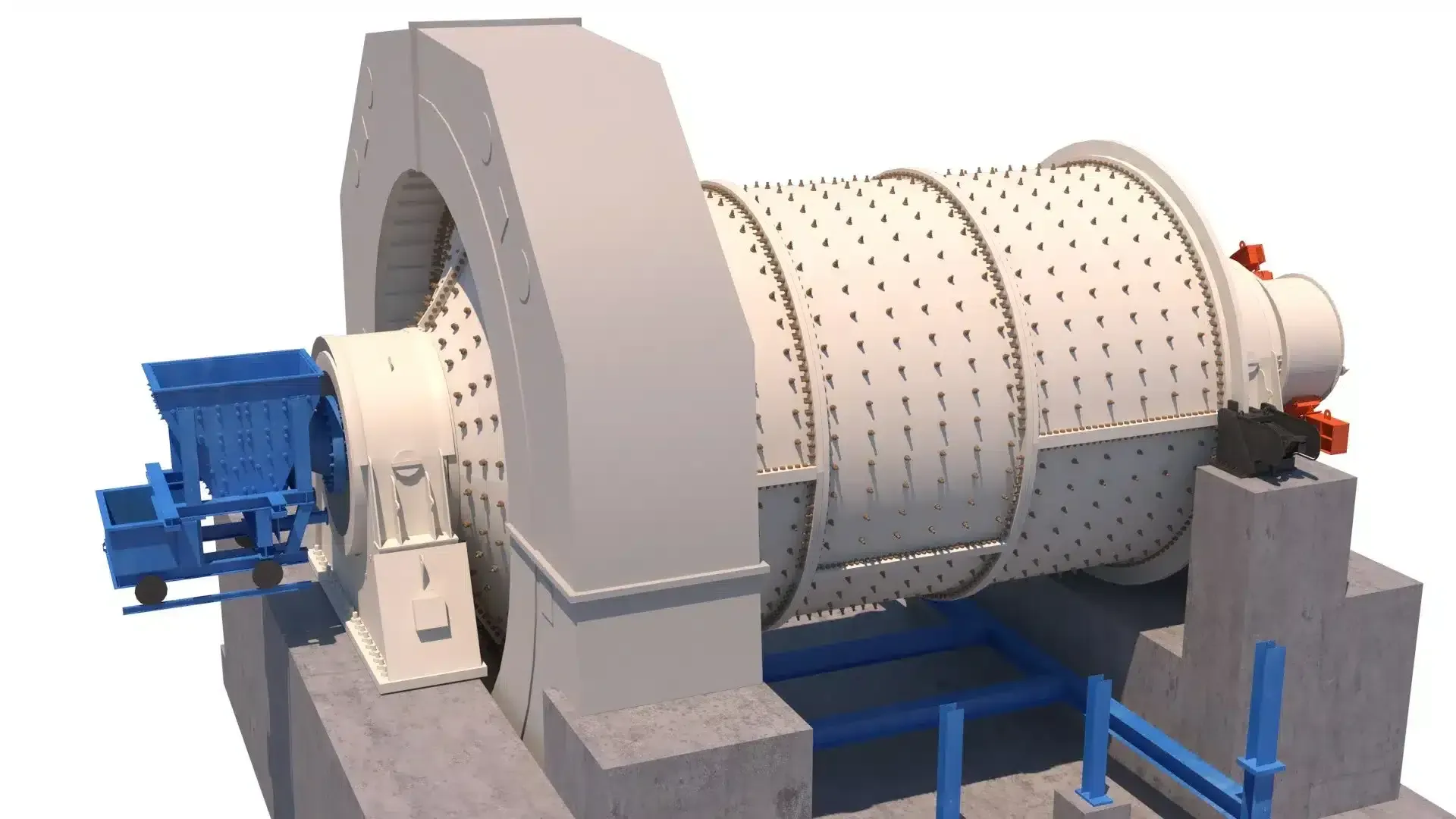
Feed and discharge end liners matched to mill head geometry — wave and radial rib profiles available
Key Features of ATF End Liners
Feed-End Protection
Liners designed to protect the feed head while guiding ore into the grinding zone.
Discharge-End Design
Discharge-end liners optimized for your specific discharge configuration (overflow, grate, or peripheral).
Material Options
Chrome-moly steel, high-chrome white iron, and rubber options based on application requirements.
Integrated Systems
End liners designed to integrate properly with shell liners and discharge components.
Lifting Provisions
Integral lifting points for safe handling during installation.
Custom Profiles
Custom profiles available to optimize material flow for specific grinding circuits.
Need Ball Mill End Liners?
Send your mill specifications for a quote on feed and discharge end liners.
OEM Compatibility
ATF manufactures end liners for all major ball mill brands with correct head profiles and mounting configurations.
Metso Outotec
- All ball mill sizes
FLSmidth
- All ball mill sizes
ThyssenKrupp
- All ball mill sizes
CITIC
- All ball mill sizes
Outotec (legacy)
- All ball mill sizes
Custom Mills
- Any make and size
End Liners FAQs
Find answers to common questions about end liners materials, selection, maintenance, and ordering. Can't find what you're looking for?
Contact Our TeamDo end liners wear at the same rate as shell liners?
Can end liners be replaced separately from shell liners?
How do end liners affect grinding efficiency?
Technical content reviewed by ATF Engineering Team | Metallurgical specifications verified against ASTM/ISO standards
Get a Quote for End Liners
Provide your mill specifications for quotation.
Contact ATF Engineering