

Technische Eckdaten
- WC Hardness
- 86-91 HRA (tungsten carbide, 6-12% Co binder)
- Ceramic Hardness
- 1600-1800 HV (Al2O3-ZrO2 composite)
- Rotor Tip Speed
- 60-80 m/s typical operating range
- Carbide Grain Size
- 2-6 micron optimized for wear resistance
- Brazing
- Silver or copper brazing to steel backing plate
- Weight Matching
- Complete tip sets matched for rotor balance
- Operating Modes
- Rock-on-rock, rock-on-iron, and mixed configurations
Material Options for Rotor Tips
Rotor tip material selection depends on feed abrasiveness, desired wear life, and budget considerations. Higher-performing materials cost more but often deliver lower cost-per-ton.
| Werkstoff | Härte | Anwendung | Hinweise |
|---|---|---|---|
| Tungsten Carbide (WC-Co) | 86-91 HRA | Maximum wear life in highly abrasive applications | Premium performance, highest cost |
| Ceramic Composite (Al2O3-ZrO2) | 1600-1800 HV | Good abrasion resistance at moderate cost | Balanced performance and economy |
| High-Chrome White Iron | 60-64 HRC | Cost-effective for less abrasive applications | Lower initial cost, shorter life |
| Hardfaced Steel | 55-62 HRC (overlay) | Rebuildable option, moderate performance | Can be rebuilt when worn |
Tungsten Carbide (WC-Co)
Ceramic Composite (Al2O3-ZrO2)
High-Chrome White Iron
Hardfaced Steel
Note: Tip selection significantly impacts operating cost. Track wear rates and cost-per-ton to optimize material choice for your application.
VSI Rotor Tips: High-Velocity Wear Components
Rotor tips are the primary wear elements in VSI (Vertical Shaft Impact) crushers, positioned at the outer edge of the spinning rotor where they serve as the final acceleration surface that launches feed material to high velocity, typically 60-80 m/s, before it impacts the crushing chamber wall or autogenous material bed. The kinetic energy delivered at these velocities, proportional to half the particle mass times the velocity squared, creates the inter-particle and particle-to-surface collisions that produce the cubical product shape and tight gradation curves that VSI crushers are specifically designed to achieve. Rotor tip geometry, including the face angle, radius, and thickness, directly influences material trajectory, acceleration efficiency, and the distribution of wear across the tip surface. ATF manufactures rotor tips using premium tungsten carbide (WC-Co) with 6-12% cobalt binder and optimized carbide grain sizes of 2-6 microns for maximum abrasion resistance.
The extreme velocities and abrasive conditions at the rotor tip position create the most intense wear environment in any comminution equipment, with wear rates that can consume several kilograms of material per thousand tonnes processed depending on the silica content and hardness of the feed. Material selection is therefore the most critical factor in determining operating cost per tonne. Tungsten carbide at 86-91 HRA provides maximum wear life in highly abrasive applications with silica content above 60%, with carbide tips brazed to steel backing plates using silver or copper-based brazing alloys for secure mounting and thermal expansion management. Ceramic composites (Al2O3-ZrO2) at 1600-1800 HV offer a balanced combination of performance and economy for moderately abrasive feeds. High-chrome white iron at 60-64 HRC provides a cost-effective option for less demanding applications. ATF supplies weight-matched rotor tip sets for all major VSI brands including Metso Barmac, Sandvik CV series, Terex Canica, and REMco.
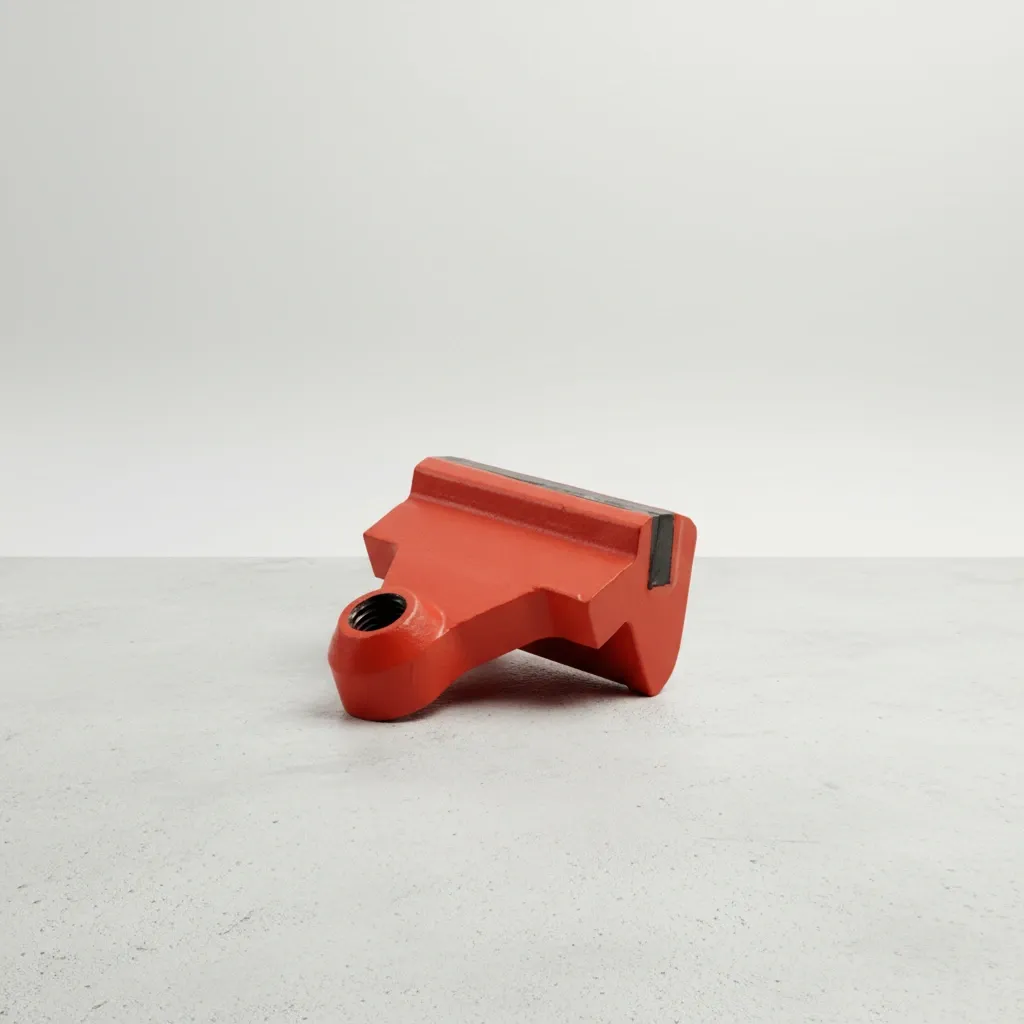
Tungsten carbide rotor tips for VSI crushers — maximum wear life at tip speeds of 60–80 m/s
Key Features of ATF VSI Rotor Tips
Premium Tungsten Carbide
WC tips with optimal carbide grain size and binder content for maximum wear resistance in abrasive applications.
Ceramic Composite Options
Alumina-zirconia and silicon carbide options for specific applications requiring different wear properties.
Precise Geometry
Tips manufactured to exact OEM dimensions for proper rotor balance and material acceleration.
Brazed Assembly
Carbide tips brazed to steel backing for secure mounting and thermal expansion management.
Multiple Profiles
Tip profiles optimized for rock-on-rock, rock-on-iron, and mixed operating modes.
Weight-Matched Sets
Complete tip sets supplied with matched weights for proper rotor balance.
Need VSI Rotor Tips?
Send your VSI crusher model for a quote with material recommendations for your feed.
OEM Compatibility
ATF manufactures rotor tips for all major VSI crusher brands with correct profiles and mounting configurations.
Metso Barmac
- B Series (B5100, B6150, B7150, B9100)
Sandvik
- CV Series (CV116, CV117, CV128, CV129, CV218, CV228, CV229)
Terex Canica
- VSI Canica Series
Kleemann
- RAINER VSI Series
REMco
- SandMax, ST Series
Kemco
- KID Series
Rotor Tips FAQ
Finden Sie Antworten auf häufige Fragen zu rotor tips Werkstoffen, Auswahl, Wartung und Bestellung. Nicht gefunden, was Sie suchen?
Unser Team kontaktierenWhat determines rotor tip wear rate?
When should rotor tips be replaced?
Can different tip materials be mixed on the same rotor?
Why does tungsten carbide cost more?
Technischer Inhalt geprüft vom ATF-Ingenieurteam | Metallurgische Spezifikationen verifiziert nach ASTM/ISO-Normen
Get a Quote for VSI Rotor Tips
Provide your crusher model for quotation with material recommendations.
Contact ATF Engineering