

Technische Eckdaten
- Material Grades
- Mn14Cr2, Mn18Cr2, High-Chrome, AR400/450, CCO
- Hardness Range
- 200-500+ BHN (Mn) / 360-450 HB (AR) / 55-63 HRC (CCO)
- Thickness Options
- 20-80 mm standard, heavy-duty available
- Mounting
- Bolt-on (countersunk) or weld-on
- OEM Brands
- Metso, Sandvik, Terex, Kleemann, Hazemag, McCloskey
- Standards
- ASTM A128 (Mn), ASTM A532 (Cr), ASTM A514 (AR plate)
Key Features of ATF Side Liners
Position-Specific Design
Side liners profiled for specific mounting positions within the crusher housing. Correct profiles ensure proper material flow and chamber geometry.
Wear-Resistant Materials
Manganese steel for impact zones, high-chrome iron for abrasive areas, and AR plate for lower-wear positions. Material matched to wear mechanism.
Segmented Construction
Multi-piece designs that allow replacement of worn sections without removing entire liner sets. Reduces downtime and material costs.
Secure Mounting
Bolt-on designs with countersunk fasteners to prevent protrusion. Welded options available for specific applications.
Thickness Options
Standard and heavy-duty thickness options to match wear rates and maintenance intervals with your operational requirements.
Custom Profiles
Custom liner profiles available for modified crusher chambers or unusual wear patterns. Send drawings or worn liners for matching.
Side Liners: Housing Protection for HSI Crushers
Side liners protect the crusher housing walls from the abrasive action of material circulating inside the crushing chamber at velocities that can exceed 20 m/s. Without side liners, the cast or welded housing walls—typically manufactured from structural grade steel—would wear through in a matter of weeks, compromising structural integrity and creating serious safety hazards including material breakout. Side liners are sacrificial wear components manufactured from impact and abrasion-resistant alloys conforming to ASTM A128 (manganese steel), ASTM A532 (high-chrome iron), or ASTM A514 (AR plate) standards. Available in thicknesses from 20 mm to 80 mm depending on the position and crusher model, these liners absorb cumulative wear while protecting the expensive main frame casting that typically represents 15-25% of the total crusher value. Segmented designs allow targeted replacement of high-wear sections without removing the entire liner set.
Side liner wear patterns vary considerably by position within the crusher housing, with liners near the rotor discharge zone and in high-material-flow paths wearing 3-5 times faster than those in lower-velocity areas near the feed opening. This non-uniform wear creates an opportunity for cost optimization through position-specific material selection. Manganese steel (Mn14Cr2 or Mn18Cr2) is preferred for positions exposed to direct blow bar discharge where impact energy is sufficient to trigger work-hardening to 400-500+ BHN. High-chrome white iron or chromium carbide overlay (CCO) plates deliver superior performance in sliding abrasion zones where material moves along the housing wall without significant impact. AR400/AR450 plate offers a cost-effective solution for lower-wear secondary positions such as inlet chutes and outlet transition areas. Matching liner materials to the specific wear environment at each position can reduce total liner cost per tonne of throughput by 20-40% compared to uniform material selection.
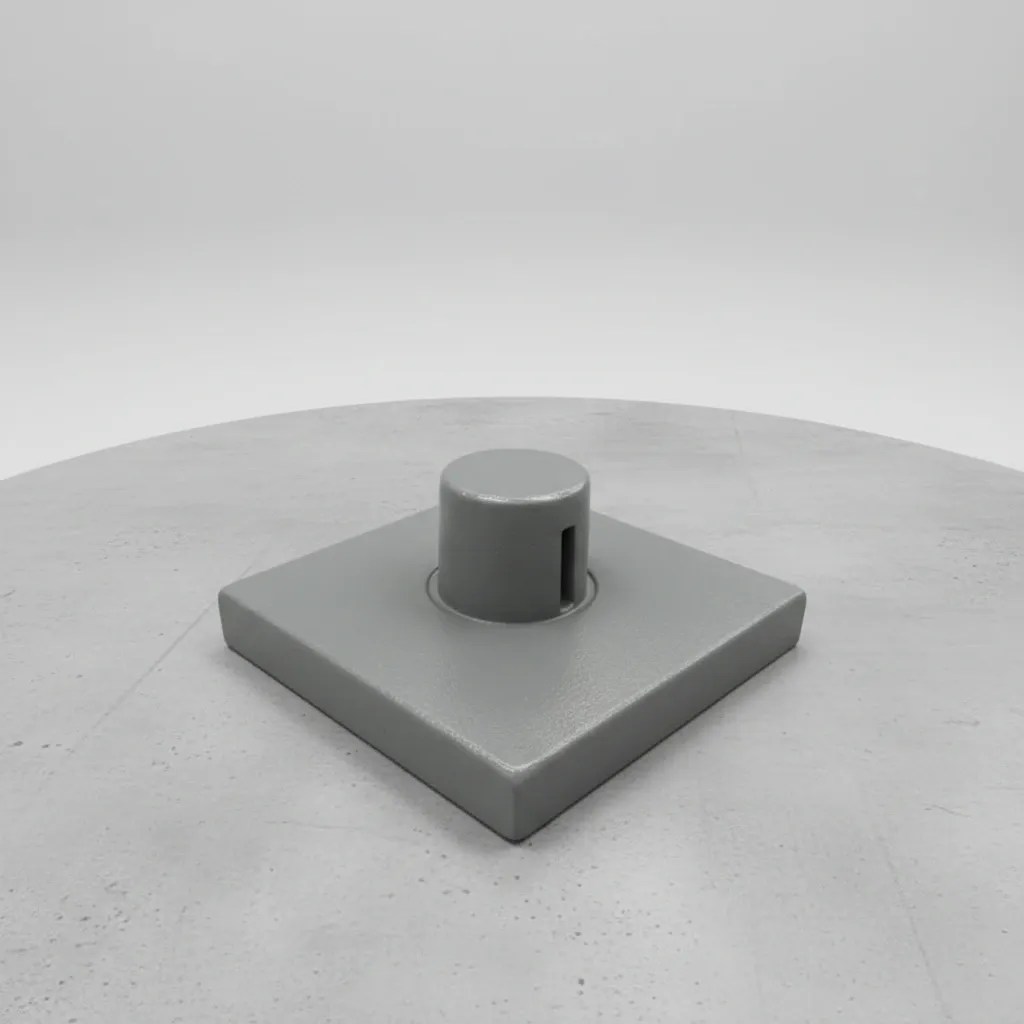
Bolt-on side liner panels protect the crusher housing from abrasive material flow — available in manganese, chrome and AR plate
OEM Compatibility
ATF manufactures side liners for all major HSI crusher brands. Liners are profiled to match original housing geometry.
Metso
- NP1007, NP1110, NP1213, NP1315, NP1520
- Lokotrack LT Series
Sandvik
- CI411, CI511, CI711, CI821
- QI240, QI340, QI440
Terex / Finlay
- I-100, I-110, I-120, I-130, I-140
- Trakpactor Series
Kleemann
- MR 110, MR 130, MR 170
Hazemag
- AP Series
- APK Series
McCloskey
- I34, I44, I54
Need Replacement Side Liners?
Send your crusher model and liner position for a quote with recommended materials.
Material Options for Side Liners
Side liner material selection depends on the wear mechanism at each position. Impact-dominated zones benefit from manganese steel, while abrasion-dominated zones perform better with harder materials.
| Werkstoff | Härte | Anwendung | Hinweise |
|---|---|---|---|
| Mn14Cr2 Manganese Steel | 200-220 HB (work-hardens to 400+ HB) | Rotor area and high-impact zones, recycling applications | Excellent impact resistance, moderate abrasion life |
| Mn18Cr2 Manganese Steel | 200-240 HB (work-hardens to 500+ HB) | Standard choice for most side liner positions | Balanced performance, good work-hardening |
| High-Chrome White Iron | 60-64 HRC | Lower housing areas with high abrasion and low impact | Maximum abrasion resistance, avoid in impact zones |
| AR400/AR450 Plate | 360-450 HB | Low-wear secondary positions, inlet and outlet chutes | Cost-effective for moderate wear areas |
| Chromium Carbide Overlay (CCO) | 55-63 HRC surface | Extreme abrasion areas, sliding wear zones | Weld overlay on mild steel backing |
Mn14Cr2 Manganese Steel
Mn18Cr2 Manganese Steel
High-Chrome White Iron
AR400/AR450 Plate
Chromium Carbide Overlay (CCO)
Note: Wear patterns vary significantly between crusher models and applications. Contact ATF for position-specific material recommendations.
Side Liners FAQ
Finden Sie Antworten auf häufige Fragen zu side liners Werkstoffen, Auswahl, Wartung und Bestellung. Nicht gefunden, was Sie suchen?
Unser Team kontaktierenHow often should side liners be replaced?
What is minimum acceptable liner thickness?
Can different materials be used for different positions?
Can worn side liners be rebuilt?
Technischer Inhalt geprüft vom ATF-Ingenieurteam | Metallurgische Spezifikationen verifiziert nach ASTM/ISO-Normen
Get a Quote for Side Liners
Provide your crusher model and we will quote complete liner sets or individual positions.
Contact ATF Engineering