

Technische Eckdaten
- Grate Aperture Range
- 10–40 mm (circuit-dependent)
- Pebble Port Size
- 80–120 mm (critical-size rock removal)
- Steel Hardness
- 350–450 BHN (Cr-Mo), 600+ BHN (HCWI)
- Open Area
- 8–25% (SAG-specific, lower than ball mill)
- Panel Weight
- 200–1,500 kg per segment
- Pulp Lifter Types
- Radial, Curved, Twin-Chamber
- Slot Geometry
- Tapered, flared, and anti-pegging profiles
- Campaign Life
- 4–12 months (matched to shell liner schedule)
SAG Mill Grates: Critical Control Point for Primary Grinding
The grate discharge system is the most critical control point in SAG mill operation, directly governing throughput capacity, product size distribution, and grinding circuit efficiency. Grate aperture size—typically 10 to 40 mm for SAG mills—determines what material exits the mill: apertures that are too small restrict throughput and cause slurry pooling behind the grate, while apertures that are too large pass oversize material that recirculates through the circuit or overloads downstream ball mills and classification equipment. SAG mill grates must also withstand severe impact loading from 100–150 mm forged steel balls and large ore chunks while maintaining aperture integrity and dimensional stability throughout their service life. ATF manufactures SAG mill grate panels from chrome-moly steel at 350–450 BHN, high-chrome white iron at 600+ BHN for maximum abrasion resistance, and rubber-steel composite configurations for anti-pegging performance in applications prone to near-size particle blockage.
SAG mill discharge systems comprise multiple integrated components that must work together for efficient operation: grate panels with precisely sized apertures and optimised open area (typically 8–25% for SAG mills), pebble ports (80–120 mm openings) for removing critical-size rock that is too large for efficient grinding but too small for effective impact breakage, and pulp lifters—available in radial, curved, and twin-chamber configurations—that transport classified slurry from behind the grate face to the discharge trunnion. The design interaction between these components significantly affects mill performance: pulp lifter capacity must match the slurry generation rate to prevent back-flow, and pebble port positioning must avoid interfering with grate panel structural integrity. ATF engineers complete grate systems as integrated assemblies, using 3D CAD modelling to verify all interface dimensions and flow paths, ensuring each component is optimised for your specific circuit requirements, ore characteristics, and throughput targets.
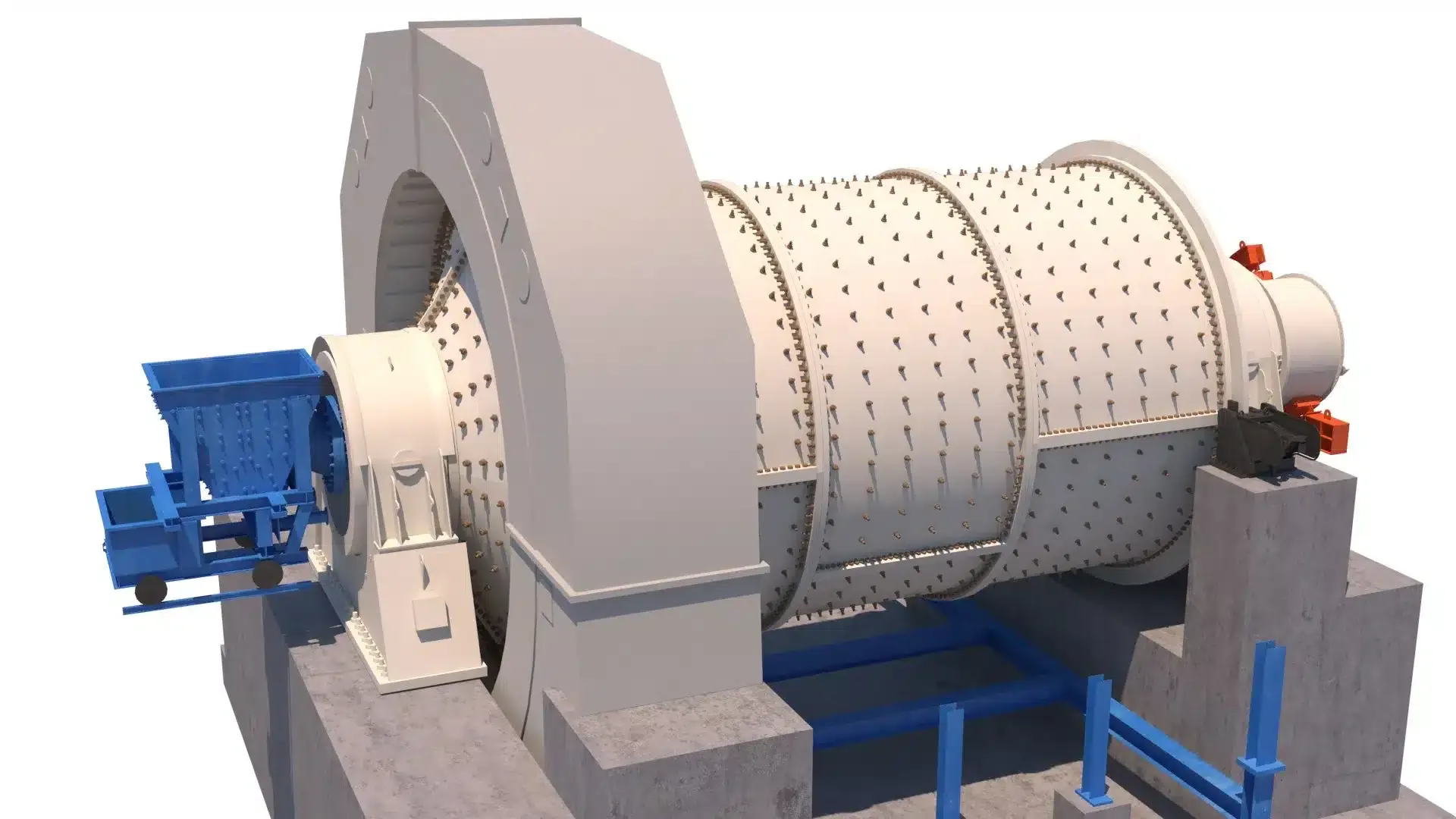
Pebble-ported grate panels with optimised aperture distribution for SAG mill discharge and pebble circuit control
Key Features of ATF SAG Mill Grate Systems
Optimized Aperture Sizing
Grate apertures from 10-40mm designed for your target product size and circuit requirements.
Pebble Port Integration
Pebble port (critical rock) systems to remove oversize material for pebble crushing circuits.
Pulp Lifter Design
Radial and curved pulp lifter designs for efficient slurry transport at high throughput rates.
Impact-Resistant Materials
Heavy-duty chrome-moly and rubber-steel composite options to survive SAG mill impact conditions.
Anti-Pegging Features
Tapered slots and anti-pegging designs to prevent near-size particle plugging.
Large Open Area
Maximized open area designs for high throughput capacity in primary grinding circuits.
Material Options for SAG Mill Grates
SAG mill grate material must resist impact from balls and ore while maintaining aperture geometry. Rubber-steel composites offer anti-pegging benefits in suitable applications.
| Werkstoff | Härte | Anwendung | Hinweise |
|---|---|---|---|
| Chrome-Moly Steel | 350-450 BHN | Standard SAG mill grate panels | Good impact resistance, maintains aperture integrity |
| High-Chrome White Iron | 600+ BHN | Grate panels in specific applications | Maximum wear resistance, some impact limitations |
| Rubber-Steel Composite | Steel: 400 BHN, Rubber: 65 Shore A | Anti-pegging requirements, corrosive slurries | Rubber flexibility reduces plugging |
| Polyurethane Composite | 85-95 Shore A | Abrasive-corrosive conditions | Wear and corrosion resistant |
Chrome-Moly Steel
High-Chrome White Iron
Rubber-Steel Composite
Polyurethane Composite
Note: SAG mill grate aperture sizing significantly affects circuit performance. Consult ATF for recommendations based on your specific circuit requirements.
Need SAG Mill Grate Systems?
Send your mill specifications and circuit requirements for grate system recommendations.
OEM Compatibility
ATF manufactures complete grate systems for all SAG mill makes with correct mounting and interface configurations.
Metso Outotec
- All SAG mill sizes
FLSmidth
- All SAG mill sizes
ThyssenKrupp
- All SAG mill sizes
CITIC
- All SAG mill sizes
Custom Mills
- Any SAG mill configuration
Grates FAQ
Finden Sie Antworten auf häufige Fragen zu grates Werkstoffen, Auswahl, Wartung und Bestellung. Nicht gefunden, was Sie suchen?
Unser Team kontaktierenWhat grate aperture size should I use?
What is a pebble port and why is it important?
How do pulp lifters affect mill throughput?
What causes grate plugging and how is it prevented?
Technischer Inhalt geprüft vom ATF-Ingenieurteam | Metallurgische Spezifikationen verifiziert nach ASTM/ISO-Normen
Get a Quote for SAG Mill Grate Systems
Provide mill specifications and circuit requirements for complete grate system recommendations.
Contact ATF Engineering