

Especificaciones clave
- Steel Grade
- Cr-Mo Steel (ASTM A532), HCWI
- Steel Hardness
- 350–450 BHN (Cr-Mo), 600+ BHN (HCWI)
- Rubber Hardness
- 60–70 Shore A (Natural Rubber)
- Lifter Height Range
- 75–200 mm (application-dependent)
- Face Angle Range
- 10–30° from radial
- Typical Weight
- 50–800 kg per piece
- Installation
- Bolt-through with T-head or cup-head bolts
- Campaign Life
- 6–18 months (ore and media dependent)
Material Options for Lifter Bars
Lifter bar material selection balances wear resistance against the specific grinding application requirements.
| Material | Dureza | Aplicación | Notas |
|---|---|---|---|
| Chrome-Moly Steel | 350-450 BHN | Standard lifters for steel-lined mills | Excellent wear resistance |
| High-Chrome White Iron | 600+ BHN | Abrasive grinding applications | Maximum hardness |
| Natural Rubber | 60-70 Shore A | Rubber-steel composite systems | Noise reduction, impact absorption |
Chrome-Moly Steel
High-Chrome White Iron
Natural Rubber
Note: Lifter profile is as important as material selection. Contact ATF for optimized lifter recommendations.
Ball Mill Lifter Bars: Charge Motion Control
Lifter bars control the trajectory of the grinding media charge by lifting balls along the mill shell before releasing them at a calculated point in the rotation cycle. The lifter profile—defined by height (typically 75–200 mm), face angle (10–30 degrees from radial), and circumferential spacing—determines whether balls cascade gently for fine grinding or cataract aggressively for coarse, high-impact grinding. Proper lifter design maximises grinding efficiency, reduces specific energy consumption, and minimises premature wear on shell plates. ATF manufactures lifter bars from ASTM A532 chrome-moly steel at 350–450 BHN for standard applications and high-chrome white iron exceeding 600 BHN for highly abrasive ores. Natural rubber lifters at 60–70 Shore A are available for composite liner systems where noise reduction and corrosion resistance are priorities.
Lifter bar wear progressively changes charge motion characteristics over the liner campaign, affecting grind size distribution and mill throughput. As lifter height decreases, the charge trajectory flattens from cataracting toward cascading, which can benefit fine grinding but reduces coarse breakage capability. Tracking lifter height at regular intervals using profile gauges or 3D laser scanning allows operators to predict when grinding performance will deviate from target and schedule replacements accordingly. ATF engineers lifter profiles optimised for your specific grinding duty, considering mill diameter, rotational speed (typically 70–78% of critical), ball charge volume (25–40%), and target product P80. Discrete Element Method (DEM) simulation data informs profile recommendations to balance wear life against grinding efficiency across the full campaign.
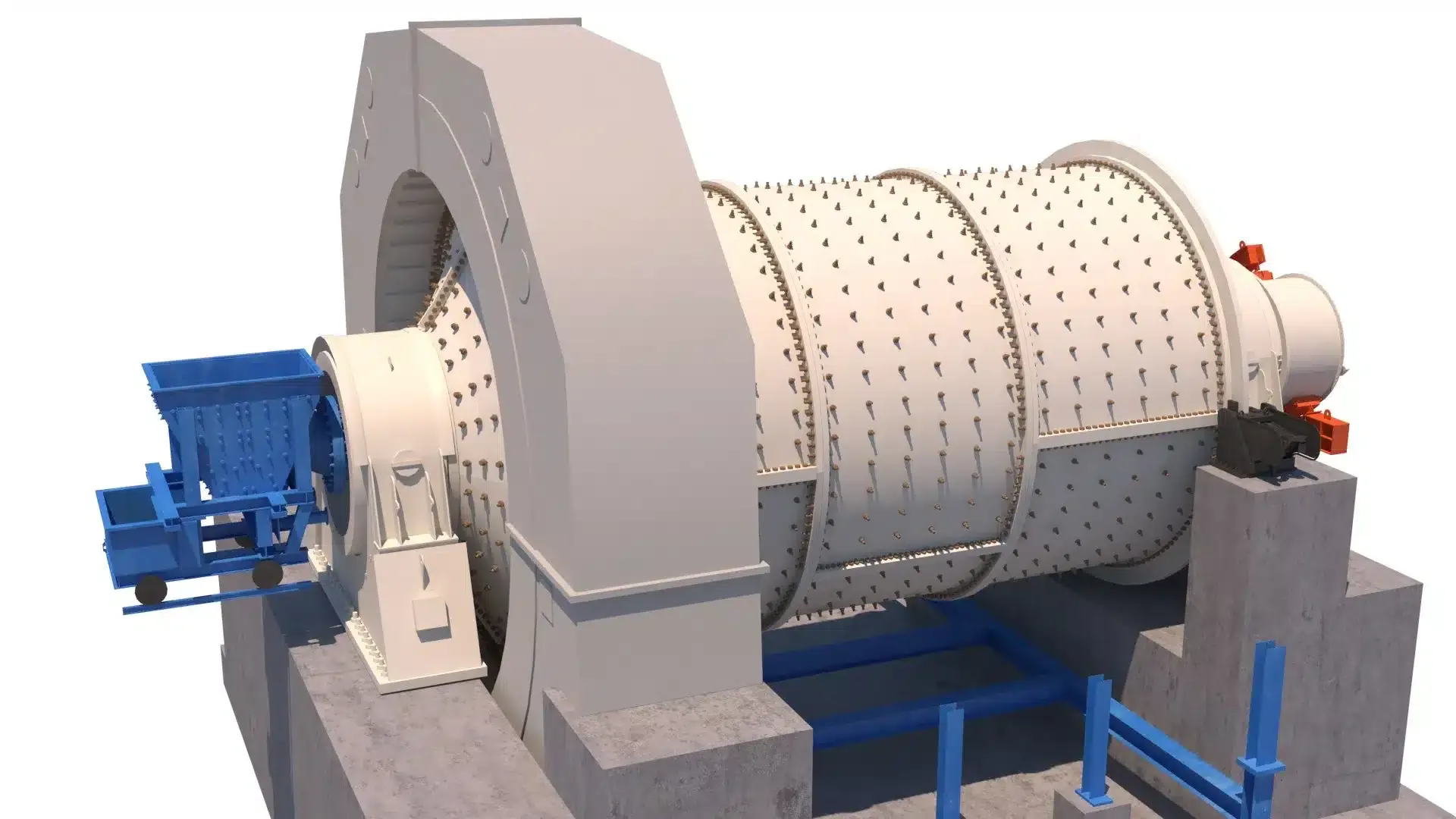
High-profile lifter bars control ball charge trajectory for optimal impact and cascading grinding action
Key Features of ATF Lifter Bars
Profile Optimization
Lifter profiles engineered for your mill speed, ball charge, and grinding targets.
Chrome-Moly Steel
High-strength chrome-moly steel (350-450 BHN) for maximum wear life.
Rubber Lifters
Premium rubber lifters for composite liner systems and noise reduction.
Height Options
Multiple lifter heights available to optimize charge trajectory for your application.
Face Angle Design
Face angles designed for cascading or cataracting motion as required.
Integrated Design
Lifters designed to work with shell plates for complete liner system performance.
Need Ball Mill Lifter Bars?
Send your mill specifications for optimized lifter recommendations.
OEM Compatibility
ATF manufactures lifter bars for all ball mill makes and sizes.
Metso Outotec
- All sizes
FLSmidth
- All sizes
ThyssenKrupp
- All sizes
CITIC
- All sizes
Custom Mills
- Any make
Lifter Bars Preguntas frecuentes
Encuentre respuestas a preguntas comunes sobre lifter bars materiales, selección, mantenimiento y pedidos. ¿No encuentra lo que busca?
Contactar a nuestro equipoHow does lifter height affect grinding?
How often should lifters be measured?
Can lifters be replaced mid-campaign?
Contenido técnico revisado por el equipo de ingeniería de ATF | Especificaciones metalúrgicas verificadas según normas ASTM/ISO
Get a Quote for Lifter Bars
Provide mill specifications for optimized recommendations.
Contact ATF Engineering