

Repuestos para Molino de Bolas
Revestimientos para Molino de Bolas | Carcasa y Elevadores | ATF
Piezas para molinos de bolas: revestimientos de carcasa, cabezal, barras elevadoras y parrillas en cromo-molibdeno, acero aleado y caucho-acero.
Complete Liner Solutions for Ball Mills
Ball mills grind material through cascading and cataracting impact of steel or ceramic grinding media within a rotating cylindrical shell. The charge trajectory — controlled by shell liner profile and lifter bar design — determines grinding efficiency, energy consumption and product particle size distribution. Ball mills are the most widely used grinding equipment in mineral processing, cement production and industrial minerals applications.
Every wear component in a ball mill — from the shell liners that protect the shell to the grate panels that control product discharge — works as an integrated system. Liner profile, lifter geometry, alloy grade and grate aperture size all interact to determine grind efficiency, throughput and total cost of ownership. ATF engineers and manufactures the complete range of ball mill liners, lifter bars and discharge components to OEM specifications, with alloy and profile options optimised for your specific ore characteristics and grinding circuit requirements.

ATF ball mill liners — shell liners, lifter bars and grate panels in chrome-moly steel and composite configurations, profile-matched to OEM mill geometry.
Ball Mill Grinding Mechanism
Understanding how liner profile and lifter bar design control the grinding mechanism explains why correct alloy selection, profile geometry and maintenance practices directly affect grind efficiency, energy consumption and total cost per ton ground.
Feed & Charge Lifting
Ore enters the ball mill through the feed trunnion and joins the grinding media charge (steel balls). As the mill rotates, lifter bars carry the charge upward along the shell wall. The lifter bar height and face angle determine how high the charge is lifted before it detaches from the liner and begins its descent. This lifting action is the primary mechanism that converts rotational energy into grinding energy.
Cascading & Cataracting
The charge follows two grinding motions: cascading (tumbling down the charge surface — produces attrition grinding) and cataracting (free-falling through the air — produces impact grinding). The balance between these two mechanisms depends on mill speed (% of critical), lifter bar profile and charge level. Ball mills typically target a combination of both for efficient size reduction from ~25 mm feed to 75–300 µm product.
Product Discharge
Ground slurry exits the mill through one of two mechanisms: grate discharge (through perforated grate panels that retain media but pass slurry) or overflow discharge (slurry overflows through the discharge trunnion). Grate discharge mills use pulp lifter channels to transport slurry from the grate face to the trunnion. Grate aperture size controls the maximum product particle size leaving the mill.
Ball Mill Liners & Wear Components
A ball mill requires five categories of wear and structural components. Each component page provides detailed material options, profile design guidance and OEM compatibility information.
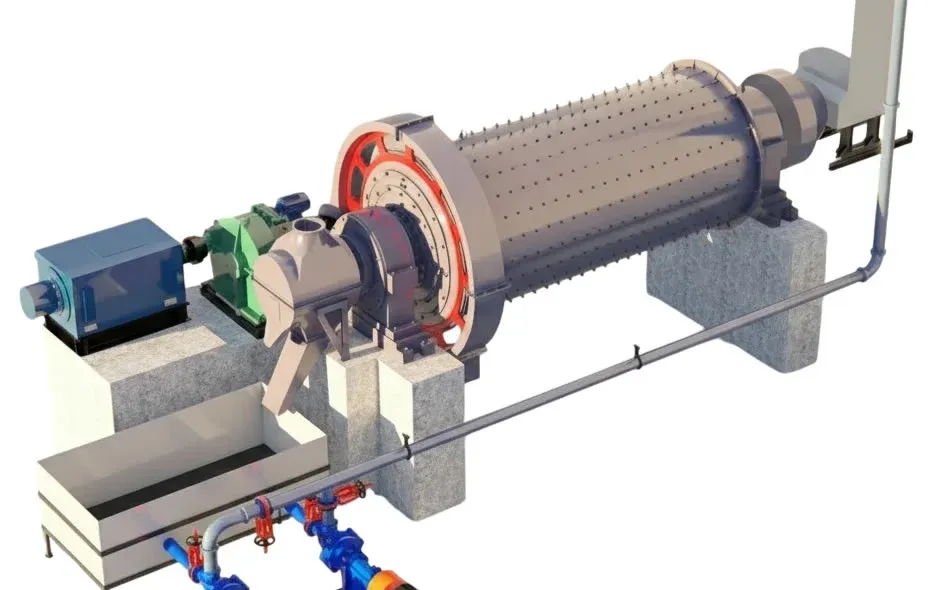
Shell Liners
Protect the cylindrical mill shell from abrasive media and ore contact. Shell liner profile design (wave, stepped, classifying) controls the grinding media trajectory — determining grind efficiency, energy consumption and liner life. Chrome-moly steel, alloy steel and rubber-steel composite options available.
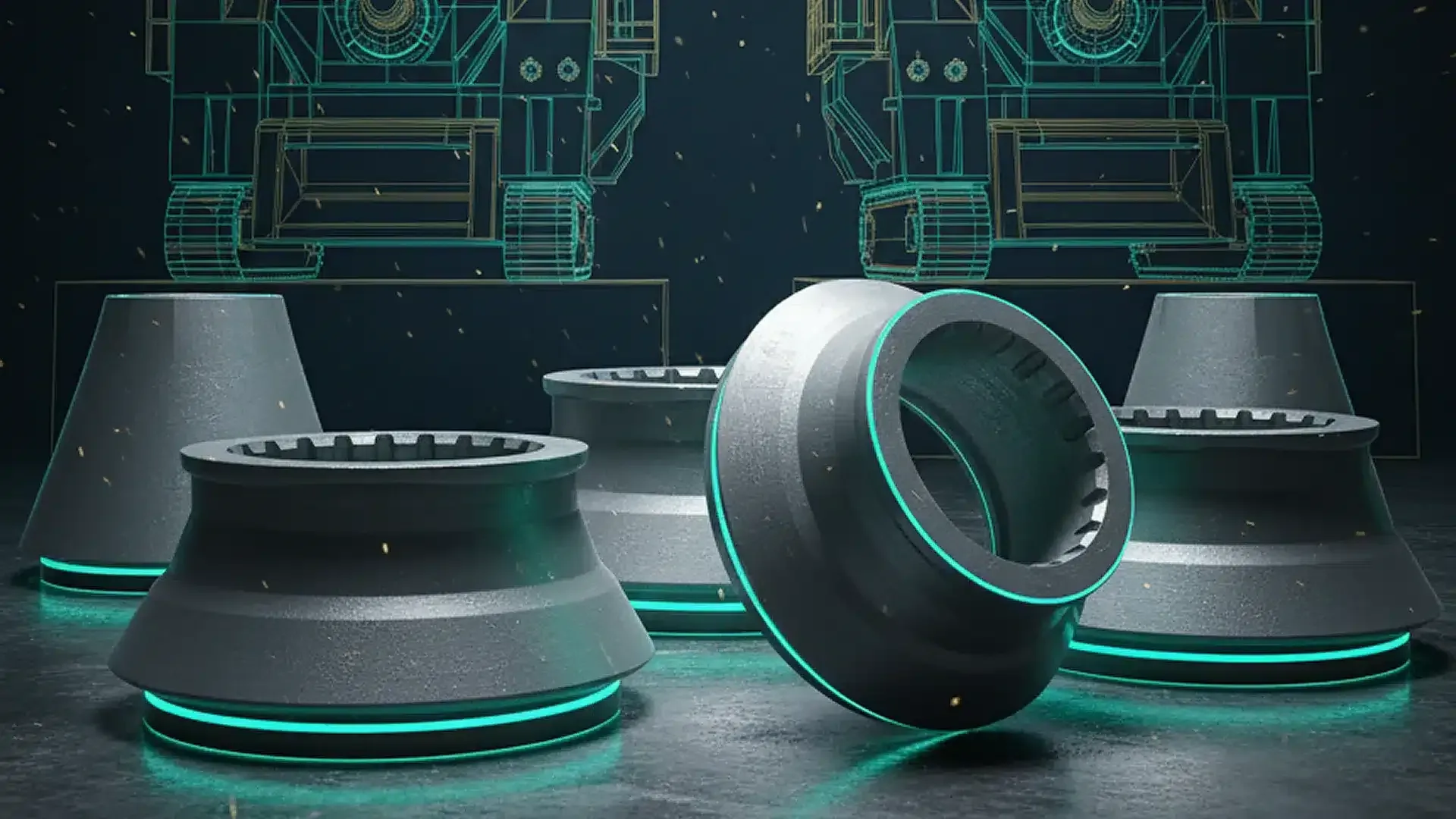
End Liners
Protect the feed-end and discharge-end heads (flat or dished ends) of the ball mill. End liners experience different wear patterns than shell liners due to the cascading charge trajectory near the mill ends. Feed-end liners also incorporate the feed chute opening geometry.
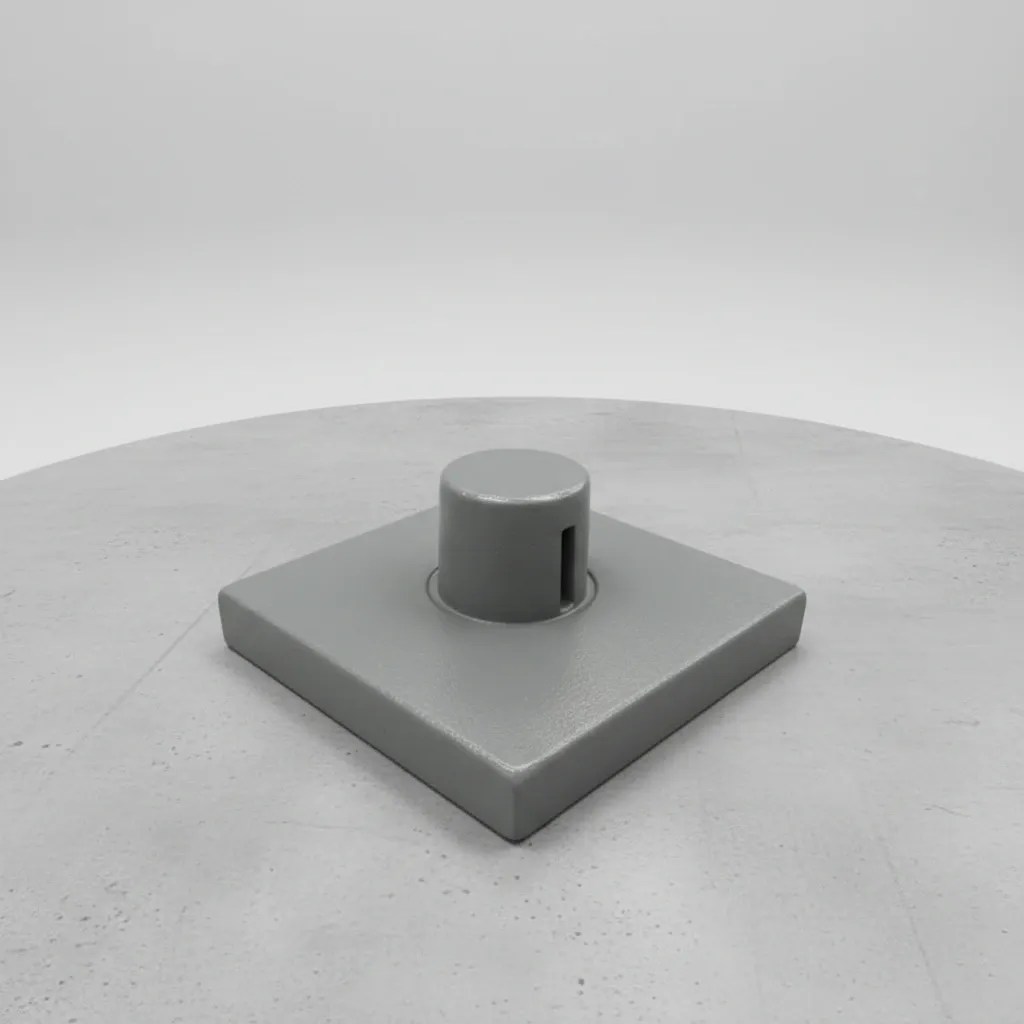
Lifter Bars
Raised elements between shell liner plates that lift the grinding media charge and direct its trajectory. Lifter bar height, face angle and spacing control whether the charge cascades (tumbling grind) or cataracts (impact grind). Correct lifter design is critical for grind efficiency and liner protection.
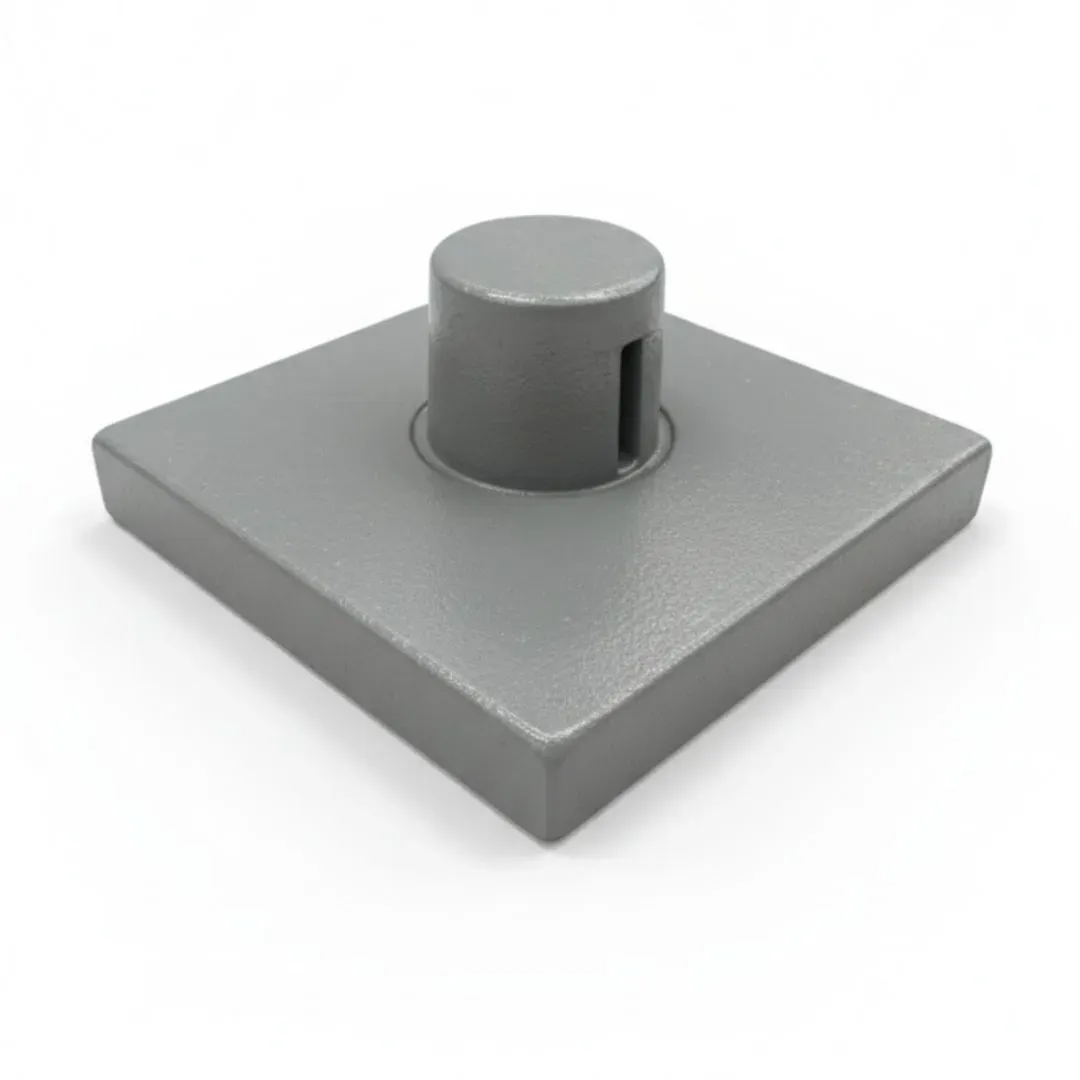
Discharge Grates
Perforated panels at the discharge end that allow ground product to pass while retaining grinding media. Grate aperture size (typically 6–30 mm) controls the maximum product particle size leaving the mill. Worn or blinded grates reduce throughput and cause over-grinding.
Additional Spares
Trunnion liners, centre discharge screens, pulp lifter channels, feed chutes and mill bolt hardware. These support components maintain mill geometry, control material flow and protect structural elements that are costly and time-consuming to replace.
Material Selection for Ball Mill Liners
Ball mill liner alloy selection must balance abrasion resistance against the impact energy of cascading and cataracting grinding media. The correct alloy depends on media size, mill speed, ore abrasiveness and whether the application is wet or dry grinding. Using a brittle alloy with large media causes cracking; using a soft alloy in abrasive ore wastes liner life.
Chrome-Moly Steel
Cr-Mo alloy steel (325–400 BHN)
Standard ball mill shell liners and lifter bars — the industry workhorse for wet and dry grinding
Baseline
Limitation: Higher wear rate than high-chrome in purely abrasive conditions — but tolerates the impact of grinding media
High-Chrome White Iron
25–28% Cr (58–64 HRC)
Highly abrasive applications with smaller media (secondary ball mills, regrind mills) where impact energy is lower
1.5–2× chrome-moly in low-impact abrasive conditions
Limitation: Brittle under heavy media impact — not suitable for primary ball mills with large grinding balls (>80 mm)
Rubber / Rubber-Steel Composite
Natural rubber (60–70 Shore A) with steel inserts
Noise reduction, corrosion resistance (acidic or high-pH slurries), and applications where rubber's elastic energy absorption extends liner life
1–2× chrome-moly in suitable conditions (lower cost per hour)
Limitation: Temperature limit ~80°C — not suitable for dry grinding or high-temperature applications. Maximum media size ~50 mm for pure rubber
Ni-Hard / Alloy Iron
Ni-Cr alloy iron (550–650 BHN)
Grate panels and discharge components where high abrasion resistance is needed with moderate impact
1.5–2× chrome-moly in discharge grate positions
Limitation: More brittle than chrome-moly steel — use in positions where media impact is limited (grates, discharge end)
Quick Selection Framework
Standard wet ball mill with 50–100 mm media? → Chrome-moly steel (325–400 BHN) — proven industry standard
Regrind mill with small media (<40 mm) and abrasive ore? → High-chrome white iron for maximum abrasion resistance
Corrosive slurry, noise-sensitive site, or media <50 mm? → Rubber or rubber-steel composite liners
Discharge grates and pulp lifter components? → Ni-Hard or high-chrome alloy for abrasion resistance in low-impact positions
Contact ATF with your mill size, media size, ore abrasion index and grinding circuit details — we'll recommend the optimal alloy and liner profile combination.
Compatible Ball Mill Brands & Models
ATF manufactures aftermarket shell liners, end liners, lifter bars and grate panels to OEM dimensional and profile specifications. All liners are verified against original mill drawings before production. Dimensional tolerance: ±2 mm, weight: ±3%, bolt hole positions: ±1 mm.
Metso / Outotec
Ball mills from 2.4m to 7.3m diameter — grinding solutions for mineral processing
Including legacy Outotec and Netzsch designs
FLSmidth
Ball mills from 3.2m to 7.9m diameter — EGL, overflow and grate discharge designs
Including ABON and Fuller-Traylor mill designs
Thyssenkrupp / Polysius
Ball mills from 3.0m to 6.2m — Polysius and industrial grinding systems
ThyssenKrupp Industrial Solutions grinding mills
CITIC
Ball mills from 3.2m to 7.9m diameter — large-scale mineral processing mills
CITIC Heavy Industries — widely used in mining operations
Traylor / Fuller
Legacy Traylor and Fuller ball mill designs — various diameters
Now FLSmidth — patterns and drawings maintained for legacy mills
Others
Eirich, Hosokawa, KHD, Loesche, Gebr. Pfeiffer, Svedala
Contact ATF with mill specifications for liner fit confirmation
Don't see your mill manufacturer? ATF maintains drawings and patterns for ball mills from all major manufacturers. Send your mill nameplate data, drawings or liner dimensions for fit confirmation.
Verify Your MillPlanning a Ball Mill Reline?
Send your mill specifications, current liner configuration and reline schedule for a comprehensive quotation. ATF can recommend alloy and profile optimisations to extend liner life and improve grind efficiency.
Ball Mill Liner Maintenance Best Practices
Disciplined liner monitoring extends reline intervals, prevents unplanned mill downtime and maintains grind circuit efficiency. A worn lifter bar changes the charge trajectory, affecting every downstream process in the grinding circuit.
Every Shift
- Monitor mill power draw — a sudden drop indicates liner or lifter bar failure, or reduced charge level
- Check mill bearing temperatures and lubrication flow — overheating indicates bearing or alignment issues
- Listen for abnormal sounds: metallic banging suggests a displaced liner or broken lifter bar
Weekly
- Sample and analyse product particle size distribution — deviation indicates liner/lifter wear affecting grind
- Inspect mill feed and discharge trunnion liners for wear or flow restrictions
- Check grate condition through inspection ports — blinding or damage reduces throughput
Monthly
- Measure shell liner thickness at multiple points using ultrasonic thickness gauges — map the wear pattern
- Inspect lifter bar heights — worn lifters change the charge trajectory and reduce grinding efficiency
- Check mill bolt tension on accessible fasteners — loose bolts allow liner movement and accelerated wear
At Liner Change (Reline)
- Inspect the mill shell for erosion, cracking or corrosion under the liner plates
- Check grate apertures — replace panels with enlarged or worn-through slots
- Verify lifter bar heights and face angles meet the design specification for your grind circuit
- Inspect pulp lifter channels for blockage, wear or corrosion
- Replace all mill bolts — never reuse stretched or corroded fasteners in a rotating mill
Typical Ball Mill Operating Parameters
| Parameter | Primary Ball Mill | Secondary / Regrind |
|---|---|---|
| Mill Speed | 72–76% critical | 74–78% critical |
| Ball Charge | 30–35% fill | 35–40% fill |
| Media Size | 60–100 mm | 25–50 mm |
| Liner Alloy | Chrome-Moly (325–400 BHN) | Hi-Chrome or Rubber |
Parameters are indicative. Optimal settings depend on mill dimensions, ore characteristics and grinding circuit design. Always consult your process engineer for site-specific recommendations.
Common Ball Mill Problems & Solutions
Recognising liner wear patterns and operational symptoms early prevents loss of grind efficiency, unplanned downtime and damage to the mill shell. Contact ATF technical support if you need help diagnosing an issue.
Coarser Product / Loss of Grind Efficiency
Probable Causes
- Lifter bars worn below effective height — charge not being lifted to correct trajectory
- Shell liners worn smooth — lost profile unable to generate cascading or cataracting action
- Grate apertures blinded by near-size material or tramp metal — reducing discharge capacity
Corrective Actions
- Measure lifter bar heights and compare to original specification — replace if below minimum effective height
- Inspect shell liner profiles — worn-flat liners should be replaced regardless of remaining thickness
- Clean and inspect grate panels — replace any panels with blinded, enlarged or damaged apertures
Liner Cracking or Breakage
Probable Causes
- Incorrect alloy for the media size and impact energy — brittle alloy used with large grinding balls
- Mill bolt failure allowing liner movement — cyclic loading fatigue-cracks unsupported liner plates
- Thermal shock in dry grinding — rapid temperature changes stress liner material
Corrective Actions
- Review alloy selection — chrome-moly steel tolerates impact better than high-chrome in primary ball mills
- Check and re-torque all mill bolts — replace any that show elongation, thread damage or corrosion
- For dry mills, ensure gradual temperature transitions at startup and shutdown
Excessive Mill Vibration
Probable Causes
- Displaced or broken liner plate creating an imbalanced load
- Uneven charge distribution — material segregation or media size segregation in the mill
- Worn trunnion bearings or mill alignment issues
Corrective Actions
- Stop and inspect mill interior for displaced liners — secure or replace any loose components
- Review charge level and media size distribution — ensure correct fill level and ball top-up practice
- Check trunnion bearing clearances and mill alignment — resurface or replace as needed
Reduced Mill Throughput
Probable Causes
- Grate panels partially blinded — restricting slurry discharge and causing the mill to 'pool'
- Pulp lifter channels blocked with oversized media or tramp material
- Mill charge level too low (insufficient grinding media) or too high (insufficient tumbling space)
Corrective Actions
- Inspect and clean grate panels — replace any with worn or blinded apertures
- Clear pulp lifter channels and inspect for structural damage
- Adjust charge level to the recommended fill percentage (typically 30–40% for ball mills)
Excessive Liner Wear Rate
Probable Causes
- Liner alloy not matched to ore abrasiveness — too soft for the application
- Mill speed incorrect — too fast causes excessive cataracting impact on liners
- Media size or charge level creating higher-than-designed impact on liner surfaces
Corrective Actions
- Review liner alloy against ore abrasion index (Ai) and Bond work index (Wi)
- Verify mill speed as percentage of critical speed — adjust if outside recommended range (72–78% typical)
- Review media size distribution — oversized balls increase point-load impact on liners
Frequently Asked Questions
Answers to common questions about ball mill liners, material selection, maintenance and ordering. Can't find what you're looking for?
Contact Our TeamWhat is the difference between shell liners and lifter bars?
How do I choose between steel and rubber liners?
What is critical speed and why does it matter for liner design?
How often should ball mill liners be replaced?
What is the role of discharge grates in a ball mill?
Are ATF ball mill parts compatible with OEM equipment?
What information does ATF need to quote ball mill parts?
What is the typical lead time for ball mill parts?
Ready to Optimise Your Ball Mill Performance?
ATF engineers respond within 24 hours with alloy recommendations, liner profile verification and competitive pricing for your specific ball mill and grinding circuit.
Request a Free QuoteSolicite una Cotización Gratuita Hoy
Nuestro equipo de ingeniería responde en 24 horas con especificaciones detalladas, recomendaciones de materiales y precios competitivos.