

Soluciones por Industria
Piezas de Desgaste para Reciclaje y Demolición | ATF
Componentes resistentes al impacto para reciclaje C&D, chancado de concreto y demolición. Piezas martensíticas y manganeso para tolerancia a armadura.
Wear Parts for Recycling Applications
Recycling operations face a fundamentally different challenge than virgin rock crushing — unpredictable feed streams with embedded metal, rebar, wire mesh, and tramp materials that can cause instantaneous wear part failure. The materials that provide maximum hardness and abrasion resistance in clean quarry rock become liabilities in recycling applications because they are brittle enough to shatter on contact with steel reinforcement. Material selection must prioritize impact toughness over maximum hardness — choosing parts that deform under unexpected impact rather than fracture.
Construction and demolition (C&D) waste, recycled concrete aggregate (RCA), reclaimed asphalt pavement (RAP), and mixed demolition waste all present variable feed quality that changes daily — sometimes hourly. Clean concrete one load, heavily reinforced structural concrete the next. This variability means wear parts cannot be optimized for a single feed type. They must be versatile enough to handle the worst-case contamination scenario while remaining cost-effective for the typical feed mix.
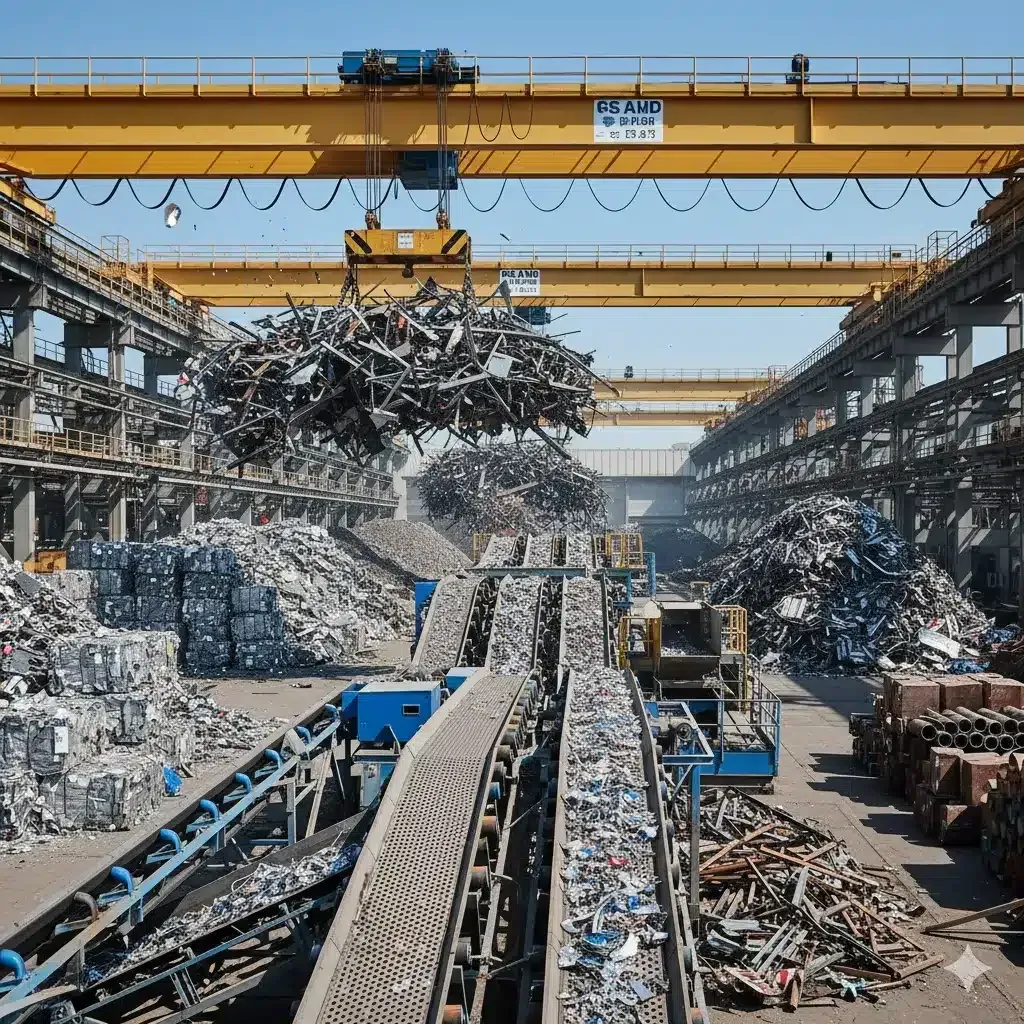
C&D Recycling Operation
Impact crusher processing demolition concrete — material selection must tolerate embedded rebar and wire mesh
Why Recycling Operations Need Different Wear Parts
Recycling is the only crushing application where the feed material actively tries to break the wear parts. In every other application, rock wears parts through abrasion and compression. In recycling, embedded steel reinforcement creates point-loading impact events that exceed the design limits of brittle materials. Understanding these four challenges is essential for selecting materials that survive recycling duty.
Metal Contamination
Rebar, wire mesh, structural steel, bolts, nails, and miscellaneous metal embedded in demolition concrete create sudden impact events. These point loads can shatter high-chrome or ceramic components instantly. The severity depends on the rebar diameter, concrete reinforcement density, and whether upstream magnetic separation is functioning.
Variable Feed Quality
C&D waste quality changes with every load. A morning of clean sidewalk concrete followed by an afternoon of heavily reinforced structural demolition. Wear parts cannot be optimized for a single feed type — they must handle worst-case contamination while remaining cost-effective on typical material.
Mobile Operations
Most recycling operations use mobile or portable crushers that move between job sites. Feed material characteristics change with each site. Wear parts must be versatile across different contamination levels, concrete strengths, and aggregate types encountered at different locations.
Safety Considerations
Brittle wear part failure in the presence of tramp metal creates a fragment ejection hazard. High-chrome blow bars that shatter can eject fragments at high velocity from the crusher discharge. Material selection in recycling must account for operator safety — tough materials that deform rather than shatter are inherently safer in contaminated feed applications.
Material Selection by Contamination Level
Material selection in recycling is driven primarily by the contamination level — specifically, the proportion and type of metal in the feed stream. The cleaner the feed, the harder and more abrasion-resistant the material can be. As contamination increases, toughness becomes the dominant selection criterion.
| Etapa de chancado | Equipo típico | Piezas de desgaste principales | Material típico | Por qué |
|---|---|---|---|---|
| Low (<2% metal by wt.) | HSI, jaw crusher | Blow bars, jaw plates | High-chrome (HRC 58-65) | Minimal tramp metal risk — abrasion resistance priority |
| Moderate (2-5% metal) | HSI, jaw crusher | Blow bars, jaw plates | Martensitic steel (HRC 50-55) | Balance of toughness and wear resistance |
| Heavy (>5% metal) | HSI with pre-screening | Blow bars, jaw plates | Martensitic steel (HRC 48-52) | Maximum toughness — impact resistance is the priority |
| Mixed / unknown | HSI, jaw crusher | Blow bars, jaw plates | Martensitic steel (HRC 50-55) | Must handle worst-case contamination on any load |
| Asphalt (RAP) | HSI | Blow bars, impact plates | Martensitic or high-chrome | Low contamination but sticky material — depends on cleanliness |
Low (<2% metal by wt.)
- Equipo
- HSI, jaw crusher
- Piezas de desgaste
- Blow bars, jaw plates
- Material
- High-chrome (HRC 58-65)
- Por qué
- Minimal tramp metal risk — abrasion resistance priority
Moderate (2-5% metal)
- Equipo
- HSI, jaw crusher
- Piezas de desgaste
- Blow bars, jaw plates
- Material
- Martensitic steel (HRC 50-55)
- Por qué
- Balance of toughness and wear resistance
Heavy (>5% metal)
- Equipo
- HSI with pre-screening
- Piezas de desgaste
- Blow bars, jaw plates
- Material
- Martensitic steel (HRC 48-52)
- Por qué
- Maximum toughness — impact resistance is the priority
Mixed / unknown
- Equipo
- HSI, jaw crusher
- Piezas de desgaste
- Blow bars, jaw plates
- Material
- Martensitic steel (HRC 50-55)
- Por qué
- Must handle worst-case contamination on any load
Asphalt (RAP)
- Equipo
- HSI
- Piezas de desgaste
- Blow bars, impact plates
- Material
- Martensitic or high-chrome
- Por qué
- Low contamination but sticky material — depends on cleanliness
IMPORTANT: When contamination level is unknown or variable, always select for the worst-case scenario. Using high-chrome blow bars in a feed stream with unexpected rebar creates both a performance failure and a safety hazard. Martensitic steel is the default for recycling applications unless the operation can guarantee clean, metal-free feed.
Recycling Crushing Equipment
Recycling circuits are simpler than mining or aggregate circuits — typically one or two crushing stages with magnetic separation. Mobile equipment dominates. ATF manufactures wear components for the primary crushing equipment used in recycling operations.
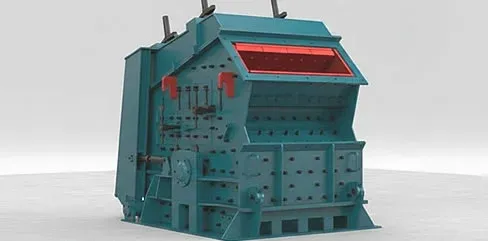
HSI Impact Crushers
The primary crushing method for C&D recycling. Mobile HSI crushers (NP series, QI, Trakpactor, CI, MR series) process concrete, asphalt, and mixed demolition waste. Blow bars, impact plates, and side liners are the primary wear components.
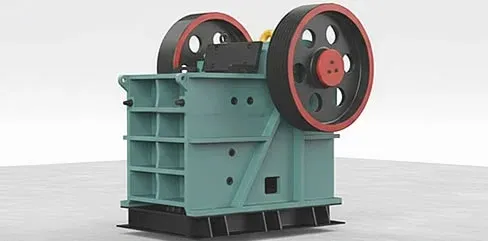
Jaw Crushers
Primary reduction for heavily reinforced concrete and oversized demolition material. Mobile jaw crushers (C96, C106, QJ241, QJ341, Premiertrak, MC110) reduce large chunks before impact crushing.
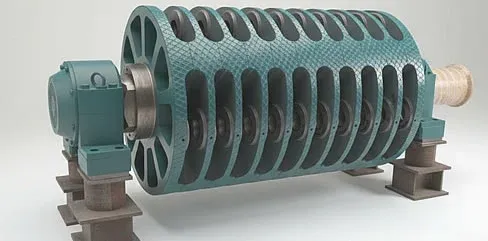
Hammer Mills & Shredders
Size reduction for mixed waste streams, wood waste, and scrap metal preparation. Hammer tips, grates, and rotor components.
Processing contaminated feed?
Tell us what you're crushing, your contamination level, and your current wear part issues — ATF recommends materials that survive recycling duty.
Correo: info@atfcs.com
Get Recycling RecommendationsWear Patterns Specific to Recycling Operations
Recycling wear patterns differ from quarry or mining patterns because contamination — not just rock abrasion — is the dominant wear mechanism. Recognizing these patterns helps identify whether material selection or feed preparation is the root cause.
Blow Bar Breakage / Fracture
Complete fracture of a blow bar — the most serious failure mode in recycling. Almost always caused by using high-chrome or ceramic material in feed with uncontrolled metal contamination. The bar shatters rather than deforming. Solution: switch to martensitic steel and improve upstream metal detection / magnetic separation.
Impact Plate Gouging
Deep localized gouging on impact plates from rebar strikes. Normal in recycling applications — indicates the plates are absorbing rebar impacts as designed. If gouging is excessive, the impact plates may need more frequent rotation or heavier-duty material. Check magnet effectiveness upstream.
Jaw Plate Lip Breakage
The lip (top edge) of jaw plates breaking off in recycling applications. Caused by oversized reinforced concrete entering the jaw chamber and creating abnormal stress at the plate edges. Indicates feed is too large for the jaw opening, or pre-screening is inadequate.
Accelerated Side Liner Wear
Side liners in impact crushers wearing faster in recycling than in quarry applications. Rebar and wire mesh ricochet off blow bars and impact the side liners at angles and intensities not typical in clean rock. Normal for recycling duty — plan for higher side liner consumption than equivalent quarry operations.
Blow Bar Breakage / Fracture
Complete fracture of a blow bar — the most serious failure mode in recycling. Almost always caused by using high-chrome or ceramic material in feed with uncontrolled metal contamination. The bar shatters rather than deforming. Solution: switch to martensitic steel and improve upstream metal detection / magnetic separation.
Impact Plate Gouging
Deep localized gouging on impact plates from rebar strikes. Normal in recycling applications — indicates the plates are absorbing rebar impacts as designed. If gouging is excessive, the impact plates may need more frequent rotation or heavier-duty material. Check magnet effectiveness upstream.
Jaw Plate Lip Breakage
The lip (top edge) of jaw plates breaking off in recycling applications. Caused by oversized reinforced concrete entering the jaw chamber and creating abnormal stress at the plate edges. Indicates feed is too large for the jaw opening, or pre-screening is inadequate.
Accelerated Side Liner Wear
Side liners in impact crushers wearing faster in recycling than in quarry applications. Rebar and wire mesh ricochet off blow bars and impact the side liners at angles and intensities not typical in clean rock. Normal for recycling duty — plan for higher side liner consumption than equivalent quarry operations.
Material Selection Decisions in Recycling
In recycling, "upgrading" materials does not always mean selecting harder alloys. Sometimes the correct move is to downgrade hardness in favor of toughness. The decision depends entirely on the contamination level and whether it can be reliably controlled.
| Situación actual | Considerar actualización cuando | Ruta de actualización típica |
|---|---|---|
| High-chrome blow bars breaking on rebar | Any rebar contact causing fracture | Switch to martensitic steel |
| Martensitic blow bars wearing too fast in clean concrete | Feed is genuinely clean with minimal metal | Upgrade to high-chrome (only if feed is genuinely clean) |
| Blow bar breakage after installing magnetic separator | Feed cleanliness has measurably improved | Retest with high-chrome on trial basis |
| Jaw plates cracking in heavy demolition | Oversized feed or high metal content | Ensure Mn18 or Mn22, not Mn13 |
| Any material breaking rather than wearing | Fracture events occurring | Reduce hardness, increase toughness |
High-chrome blow bars breaking on rebar
- Considerar actualización cuando
- Any rebar contact causing fracture
- Ruta de actualización
- Switch to martensitic steel
Martensitic blow bars wearing too fast in clean concrete
- Considerar actualización cuando
- Feed is genuinely clean with minimal metal
- Ruta de actualización
- Upgrade to high-chrome (only if feed is genuinely clean)
Blow bar breakage after installing magnetic separator
- Considerar actualización cuando
- Feed cleanliness has measurably improved
- Ruta de actualización
- Retest with high-chrome on trial basis
Jaw plates cracking in heavy demolition
- Considerar actualización cuando
- Oversized feed or high metal content
- Ruta de actualización
- Ensure Mn18 or Mn22, not Mn13
Any material breaking rather than wearing
- Considerar actualización cuando
- Fracture events occurring
- Ruta de actualización
- Reduce hardness, increase toughness
CRITICAL PRINCIPLE: In recycling, the safest material is the one that deforms under impact rather than shattering. Gradual wear is acceptable and replaceable. Sudden fracture is dangerous, costly, and preventable through correct material selection.
Recycling Wear Parts — Common Questions
Encuentre respuestas a preguntas comunes sobre piezas de desgaste para esta aplicación. ¿No encuentra lo que busca?
Contactar a nuestro equipoWhy can't I use high-chrome blow bars for recycling?
How do I reduce blow bar consumption in C&D recycling?
What jaw plate material works for demolition concrete?
Do I need different wear parts for asphalt recycling (RAP)?
How does a magnetic separator affect wear part selection?
Are mobile crusher parts the same as stationary crusher parts?
Wear Parts for Recycling Operations
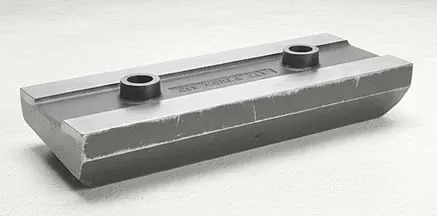
Impact Crusher Parts
Blow bars, impact plates, side liners for HSI recycling crushers.
→ View Impact Crusher Parts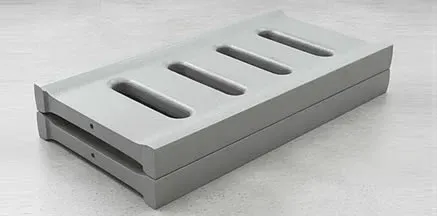
Jaw Crusher Parts
Jaw plates, cheek plates for primary demolition reduction.
→ View Jaw Crusher Parts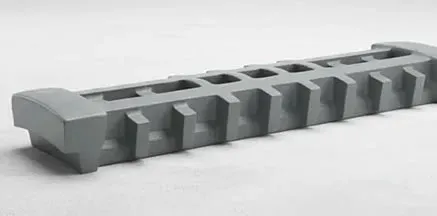
Hammer Crusher Parts
Hammers, grates for hammer mills and shredders.
→ View Hammer Crusher PartsRecycling-Grade Wear Parts, Factory Direct
Tell us what you're crushing, your contamination level, and current wear part challenges. ATF recommends materials that survive your recycling application.
Get Recycling RecommendationsSolicite una Cotización Gratuita Hoy
Nuestro equipo de ingeniería responde en 24 horas con especificaciones detalladas, recomendaciones de materiales y precios competitivos.