
Placas de Desgaste | Piezas para Chancador VSI | ATF

Repuestos para Chancador VSI

Placas de Desgaste | Piezas para Chancador VSI | ATF

Placas de desgaste de cavidad para chancadores VSI: superior, inferior y distribuidoras. Aleación según abrasión de la alimentación.

Puntas de rotor Carburo de tungsteno Placas de desgaste

Especificaciones clave

Anvil Hardness (WC)
86-91 HRA tungsten carbide segments
Chrome Liner Hardness
60-64 HRC high-chrome white iron
Manganese Grade
Mn18Cr2 (200-240 HB, work-hardens to 500+ HB)
AR Plate Options
AR400 (360-440 HB) and AR500 (470-540 HB)
Positions
Anvil ring, upper chamber, lower chamber, distribution
Operating Modes
Rock-on-rock and rock-on-iron configurations

Material Options for VSI Wear Plates

Wear plate material selection depends on position within the crusher and whether direct impact or sliding abrasion is the primary wear mechanism.

Tungsten Carbide (Anvils)

Dureza:86-91 HRA
Aplicación:Anvil ring segments, high-velocity impact zones
Notas:Maximum wear life in abrasive applications

High-Chrome White Iron

Dureza:60-64 HRC
Aplicación:Anvil rings, upper chamber plates
Notas:Good abrasion resistance, cost-effective

Mn18Cr2 Manganese

Dureza:200-240 HB
Aplicación:Impact areas, rock-on-rock buildup plates
Notas:Work-hardens under impact

AR400/AR500 Plate

Dureza:360-500 HB
Aplicación:Lower chamber, sliding wear areas
Notas:Cost-effective for moderate wear

Note: Rock-on-rock operation builds autogenous lining that protects housing. Rock-on-iron requires more wear-resistant materials for anvil positions.

Wear Plates

VSI Wear Plates: Chamber Protection Components

Wear plates protect the VSI crusher housing from the high-velocity material stream created by the spinning rotor, which ejects feed material at speeds of 60-80 m/s in a radial pattern that impacts the surrounding chamber surfaces with substantial kinetic energy. In rock-on-iron operating mode, anvil ring segments manufactured from tungsten carbide (86-91 HRA), high-chrome white iron (60-64 HRC), or ceramic composite materials form the primary impact surface where size reduction occurs through particle-to-surface collision. In rock-on-rock mode, profiled wear plates allow crushed material to accumulate and form an autogenous lining that serves as the impact surface, producing size reduction through particle-to-particle collision that tends to generate a more cubical product shape. Regardless of operating mode, multiple categories of wear plates protect the housing shell, rotor cavity, and transition zones from erosive wear that would otherwise damage the structural castings.

Wear plate positions within the VSI crushing chamber experience fundamentally different wear mechanisms that require position-specific material selection for optimal wear life and cost-effectiveness. Upper chamber areas directly opposite the rotor discharge ports experience the highest velocity impacts from material ejected at near-horizontal trajectories, requiring materials with excellent impact resistance such as Mn18Cr2 manganese steel at 200-240 HB that work-hardens to 500+ HB under sustained impact, or tungsten carbide anvil segments at 86-91 HRA for rock-on-iron configurations. Lower chamber areas experience predominantly sliding abrasion from material cascading downward after the initial impact event, where AR400 (360-440 HB) or AR500 (470-540 HB) abrasion-resistant plate provides cost-effective protection. Material selection, plate thickness, and replacement frequency should all be optimized independently for each position based on measured wear rates.
Multiple Alloys
Position-Specific
OEM-Fit
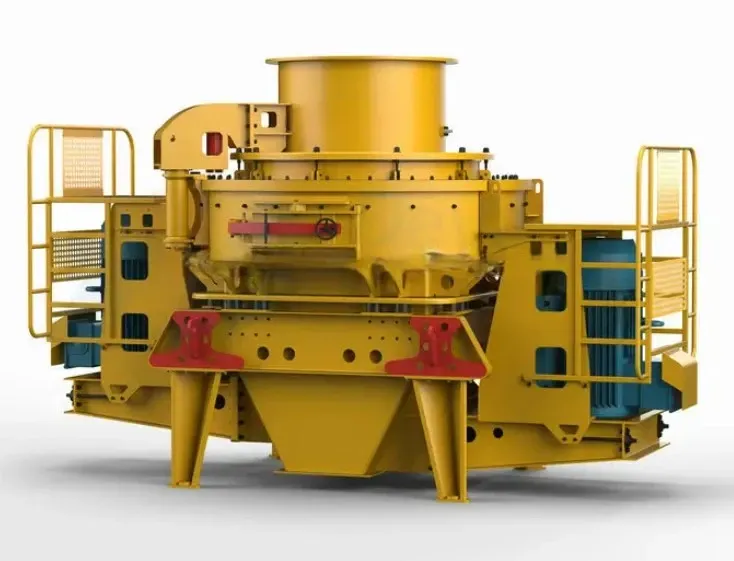
VSI crusher wear plates and cavity liners manufactured by ATF

Wear plates and cavity liners protect the rotor body and crushing chamber from high-velocity abrasion

Key Features of ATF VSI Wear Plates

Anvil Ring Segments

Impact surfaces for rock-on-iron operation in tungsten carbide, ceramic composite, and high-chrome options.

Upper Wear Plates

Housing protection in the upper chamber where material velocity is highest.

Lower Wear Plates

Protection for lower housing areas where material accumulates after impact.

Distribution Plates

Material flow guides that direct feed into the rotor and protect surrounding surfaces.

Position-Specific Materials

Different materials available for different positions based on wear mechanism.

Complete Liner Sets

Complete chamber liner sets for efficient replacement during maintenance.

Need VSI Wear Plates?

Send your VSI crusher model for a quote on chamber liners and wear plates.

Request a Quote

OEM Compatibility

ATF manufactures wear plates for all major VSI crusher brands with correct profiles and mounting configurations.

Metso Barmac

  • B Series (B5100, B6150, B7150, B9100)

Sandvik

  • CV Series (CV116, CV117, CV128, CV129, CV218, CV228, CV229)

Terex Canica

  • VSI Canica Series

Kleemann

  • RAINER VSI Series

REMco

  • SandMax, ST Series

Kemco

  • KID Series
Preguntas frecuentes

Wear Plates Preguntas frecuentes

Encuentre respuestas a preguntas comunes sobre wear plates materiales, selección, mantenimiento y pedidos. ¿No encuentra lo que busca?

Contactar a nuestro equipo
How often should wear plates be replaced?
Replacement frequency varies significantly by position within the chamber and the material grade installed, requiring independent tracking for each wear plate location. Anvil ring segments in rock-on-iron mode experience the most intense wear because they directly absorb the kinetic energy of material accelerated to 60-80 m/s by the rotor, and may require replacement every two to eight weeks depending on feed abrasiveness. Upper chamber plates in the direct impact trajectory typically last longer than rotor tips but experience faster wear than lower chamber plates, with replacement intervals ranging from one to six months. Lower chamber plates in sliding abrasion zones may last six to twelve months with appropriate material selection. The most effective management approach is to measure plate thickness at each position during every scheduled maintenance stop, record the data alongside tonnes processed, and use the resulting wear rate trends to predict replacement timing and optimize material grade selection for each individual position.
Can I convert from rock-on-iron to rock-on-rock mode?
Yes, most VSI crusher models can be converted between rock-on-iron and rock-on-rock operating modes with appropriate wear plate configuration changes, though the specific conversion requirements vary by manufacturer and model. Rock-on-rock mode requires replacing anvil segments with profiled retention plates that include shelves or pockets where crushed material accumulates to form the autogenous lining that serves as the impact surface. Rock-on-iron mode requires installing separate anvil segments, typically in tungsten carbide, high-chrome iron, or ceramic composite, mounted in the anvil ring carrier at precise positions relative to the rotor discharge ports. Some VSI models such as the Metso Barmac B-series and Sandvik CV-series are designed with quick-change features that facilitate mode conversion during routine maintenance. The choice between modes depends on the desired product shape, feed material characteristics, and economic optimization. Rock-on-rock generally produces a more cubical product shape preferred for concrete and asphalt applications, while rock-on-iron provides higher reduction ratios and throughput.
What causes uneven wear on anvil rings?
Uneven wear across anvil ring segments typically indicates one or more underlying issues with the rotor or feed system that are causing non-uniform material distribution around the chamber circumference. The most common cause is worn or damaged rotor tips that have lost their designed geometry, resulting in material being ejected at inconsistent velocities or trajectories across different rotor discharge ports. Other contributing factors include feed distribution problems where material does not enter the rotor center uniformly, creating a preferential discharge direction; rotor imbalance from unmatched tip weights or damaged rotor components; and incorrect rotor speed that alters the material trajectory angle relative to the anvil ring position. When investigating uneven anvil wear, inspect rotor tip condition at all positions, verify feed tube alignment and condition, check rotor balance by comparing tip weights, and confirm that rotor speed matches the OEM recommendation for your specific operating mode and feed material.
How do wear plates affect product shape?
Wear plate condition has a direct and measurable impact on the product shape quality that VSI crushers are specifically designed to produce. When anvil segments or chamber wear plates erode, several negative effects compound to degrade product quality. First, worn anvil surfaces lose their designed geometry, reducing the efficiency of energy transfer during the impact event and producing less complete fracturing that results in elongated rather than cubical particles. Second, worn or missing wear plates create voids in the chamber wall where material can bypass the impact zone entirely, passing through the crusher without experiencing the high-energy collisions necessary for proper size reduction and shape improvement. Third, changes in chamber geometry from wear alter material flow patterns and reduce the effective crushing velocity at the point of impact. Maintaining wear plates in good condition, replacing them before excessive wear distorts chamber geometry, and using the correct material grade for each position are essential for preserving the tight gradation curves and cubical product shape specifications, typically measured by flakiness index and elongation index per ASTM or BS standards, that VSI crushers are valued for in concrete aggregate and asphalt production.

Contenido técnico revisado por el equipo de ingeniería de ATF | Especificaciones metalúrgicas verificadas según normas ASTM/ISO

Get a Quote for VSI Wear Plates

Provide your crusher model for quotation on chamber liners.

Contact ATF Engineering
25+
Years Experience
Multiple
Alloys
100%
Fit Guarantee

Solicite una Cotización Gratuita Hoy

Nuestro equipo de ingeniería responde en 24 horas con especificaciones detalladas, recomendaciones de materiales y precios competitivos.

Respuesta en 24 Horas Ajuste OEM Garantizado Envío Mundial